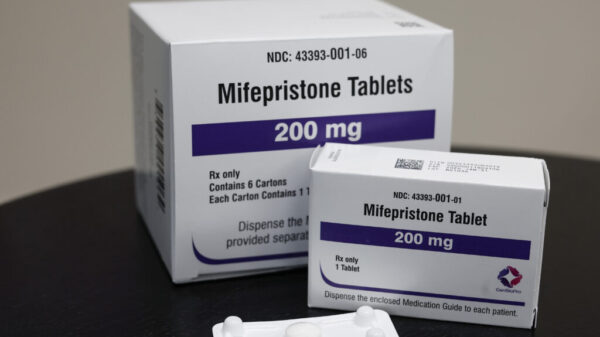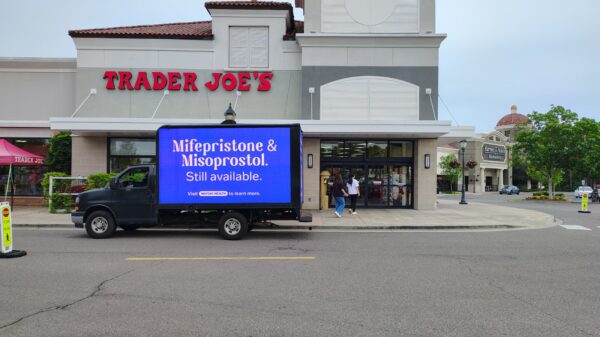

















Abortion is now effectively inaccessible in Alabama after a federal appeals court in Louisiana issued an injunction against the mailing of mifepristone, the “abortion pill.”
The reversal of Roe v. Wade in 2022 triggered surgical abortion to become illegal in Alabama, but the law specifically exempted women receiving abortions from prosecution. That allowed women to continue obtaining abortions using mifepristone through the mail from states where doctors are legally allowed to prescribe it.
The hardest-line anti-abortion lawmakers have tried—and failed—since 2022 to address this gap in Alabama law by attempting to restrict the transport of the drug or by making women prosecutable for murder if they participate in abortive procedures.
Medication abortion had already surpassed surgical procedures as the most common method of abortion before the Dobbs ruling came down, with about 54 percent of abortions being by pill. With surgical procedures prohibited in the state, the pill became one of only two options for Alabama women—the other option being travel to a state where abortion remains legal.
According to the Alabama Department of Public Health, there were 8,294 abortions by Alabama residents in 2021, the last full year that abortion was legal in the state. That total includes out-of-state abortions by Alabama residents. Of that total, 3,653 were medical abortions.
A study from the Guttmacher Institute estimates about 4,680 women from Alabama traveled out of state to obtain abortions in 2024. While only three “legal” abortions were recorded by the Alabama Department of Public Health, it’s unknown how many women may have had medically-induced abortions using mifepristone ordered from other states.