
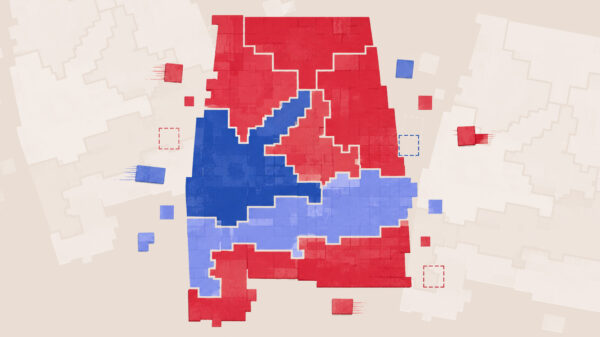
















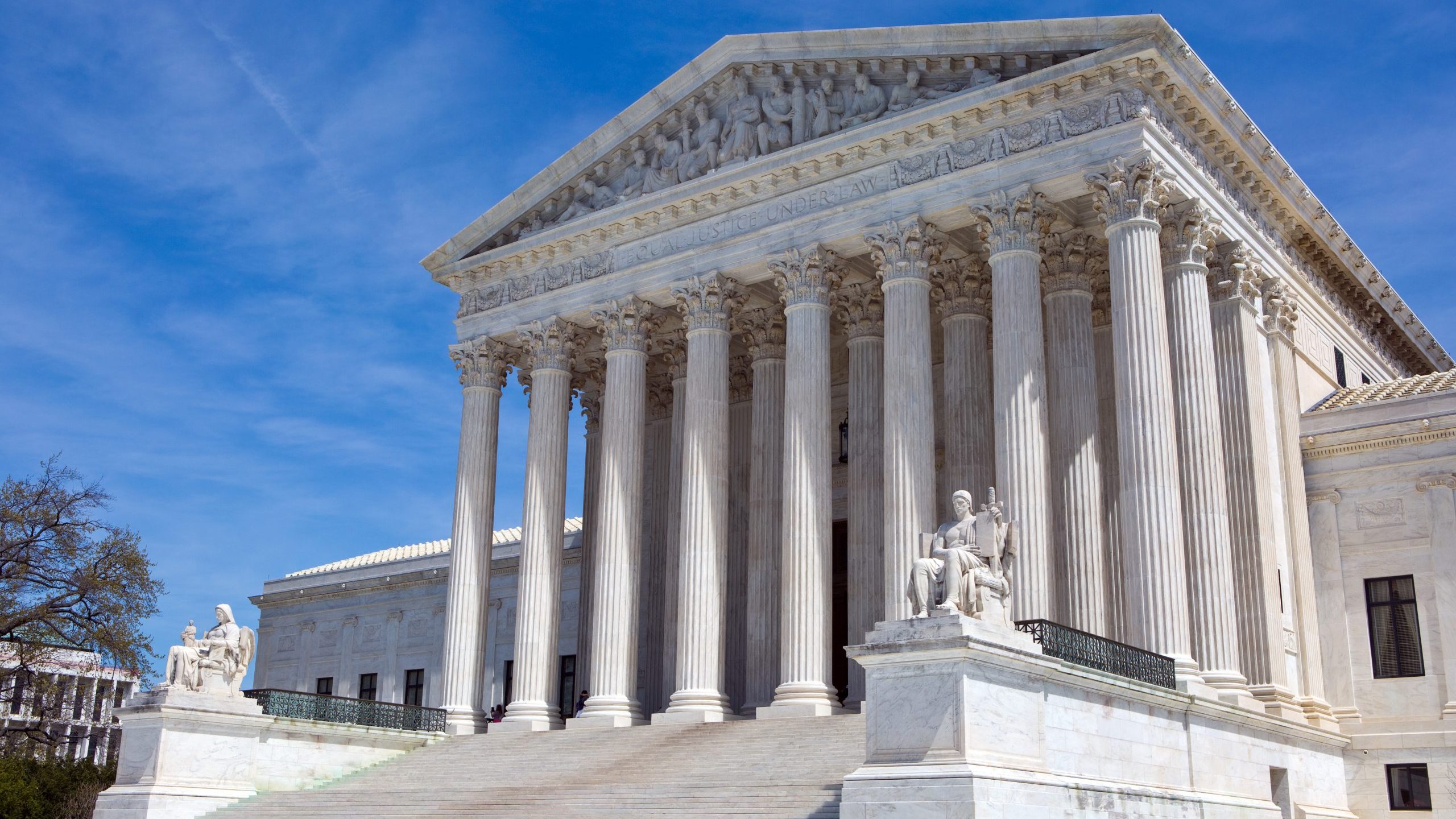
The U.S. Supreme Court on Tuesday vacated a lower-court decision it had previously upheld which enjoined maps created by state lawmakers that would likely reduce Black voting power in the state.
The decision lends credence to a special session lawmakers wrapped last week to pass legislation allowing for special primary elections for affected districts in the case that the Supreme Court allowed the state to revert to the maps ruled unconstitutional by a three-judge federal panel.
ALGOP Chair Scott Stadthagen called the ruling “a major victory for the rule of law, the Constitution, and the right of states to govern themselves.”
“The Voting Rights Act should never be twisted to justify unconstitutional race-based gerrymandering or federal overreach into the redistricting process,” Stadthagen said. “The Supreme Court made clear that fairness and equal application of the law matter, and that states like Alabama have the right to enact maps through the legislative process without being forced into race-driven mandates.”
State Rep. Phillip Ensler, D-Montgomery, who is running for lieutenant governor on the Democratic ticket, said the ruling “sows confusion and administrative chaos.”
“The Supreme Court decision does not resolve this case,” Ensler said in a Facebook post. “The case now goes back to a lower court for further review. This could lead to Alabama further diluting Black votes and taking away fair representation. The May 19th results for some congressional districts could be thrown out, leading to special elections in the affected areas. Today’s Supreme Court order does not change the fact that Alabama’s 2023 map was struck down for violating the Equal Protection Clause of the 14th Amendment.”
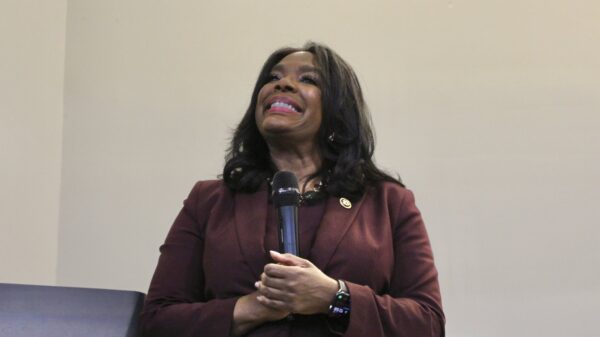
U.S. Rep. Terri Sewell, whose district could be affected by reverting to previous district maps, harshly criticized the decision.
“Today’s decision by the Supreme Court to allow Alabama to move forward with its discriminatory congressional map is a stunning departure from legal precedent and another direct attack on Black voters in Alabama,” Sewell said. “Let’s be clear. Alabama lawmakers intentionally discriminated against Black voters in drawing the 2023 map. A federal district court said so. The Supreme Court said so. Yet now, in this stunning reversal, the Court’s right-wing majority has completely ignored its previous rulings in order to give state officials the green light to suppress Black representation in Alabama. Moreover, the Court has injected needless chaos and confusion into an election that has already begun while rewarding state officials who openly defied court orders in bad faith.
“This fight is not over. Black Alabamians have fought too hard and sacrificed too much to be dragged backward by extremist politicians and an activist Court. Black voters make up nearly one-third of Alabama’s electorate and we deserve no less than two seats where we can select a candidate of our choice.”