





















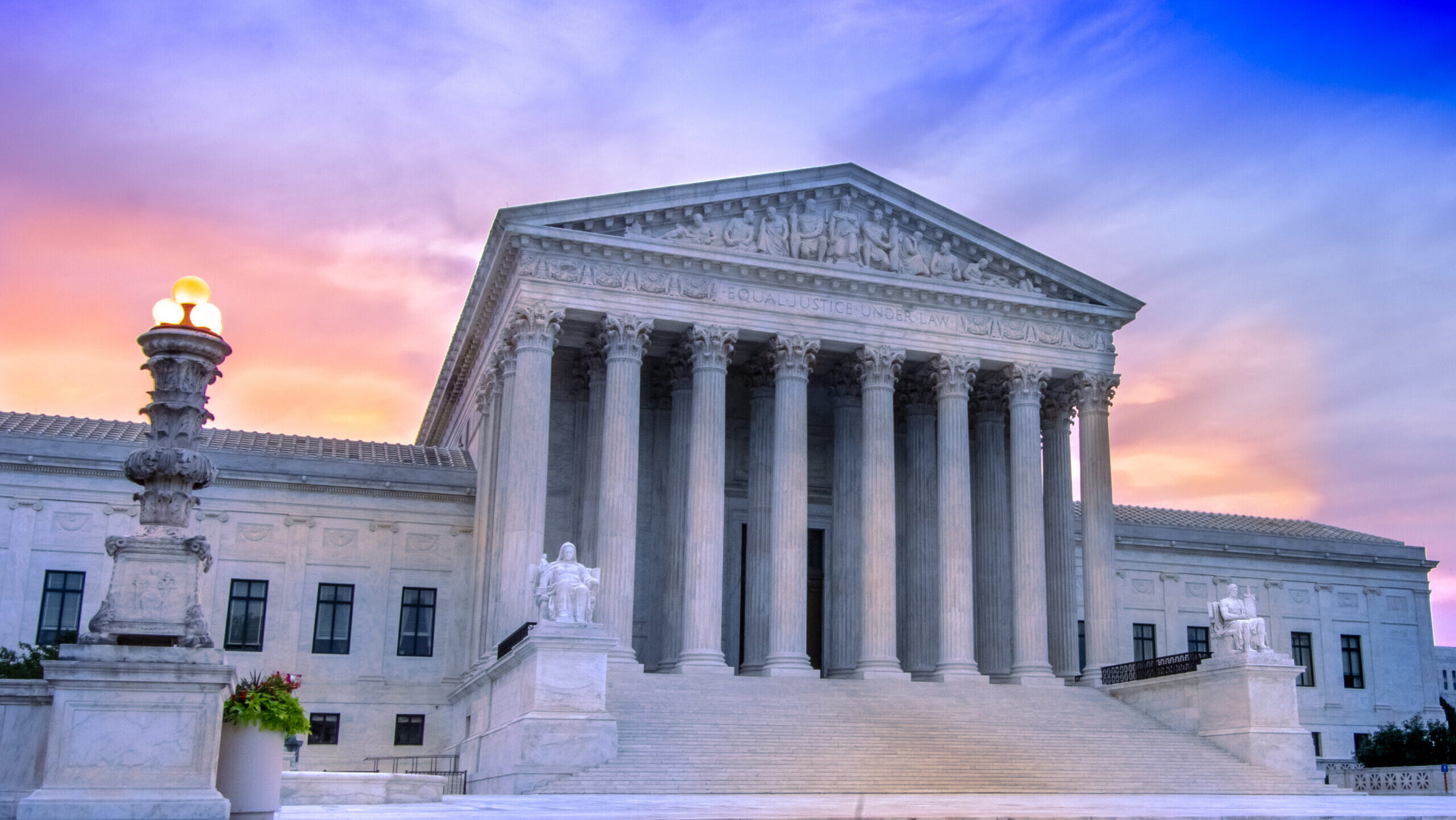
The U.S. Supreme Court on Thursday stepped in to temporarily preserve nationwide access to the abortion medication mifepristone, blocking a lower court ruling that threatened to upend the system of telemedicine, mail delivery and pharmacy dispensing used by patients across the country.
The emergency order in Louisiana v. U.S. Food and Drug Administration leaves in place the current rules governing access to mifepristone while the litigation returns to the Fifth Circuit Court of Appeals for further review. The Supreme Court did not rule on the underlying merits of the dispute but instead halted the lower court’s order while the appeals process continues.
Justices Clarence Thomas and Samuel Alito dissented.
The lawsuit was brought by Louisiana and several Republican-led states challenging the FDA’s decision to remove in-person dispensing requirements for mifepristone, a medication widely used in medication abortions and miscarriage care.
The FDA first loosened those restrictions during the COVID-19 pandemic before later making the changes permanent. Under the current system, patients may consult providers through telemedicine and receive the medication through the mail or certified pharmacies.
Louisiana and allied states argue the FDA exceeded its authority by loosening safeguards surrounding the medication and contend states should have broader authority over abortion-related drug distribution. The states have also argued portions of federal law, including the Comstock Act, prohibit mailing abortion-related medications.
Abortion rights advocates and major medical organizations maintain the restrictions are medically unnecessary and point to decades of federal review and widespread use supporting the drug’s safety record.
The dispute closely resembles an earlier challenge brought by anti-abortion groups that reached the Supreme Court in 2024. In that case, the Court unanimously ruled the plaintiffs lacked standing to challenge FDA regulation of mifepristone.
This latest lawsuit was structured differently, with states bringing the challenge directly in an effort to avoid the standing problems identified in the earlier case.
The legal battle has also placed Alabama squarely inside the broader national effort by Republican-led states to challenge expanded abortion pill access following the Supreme Court’s 2022 Dobbs decision overturning Roe v. Wade.
Earlier this year, Alabama joined a 21-state coalition supporting Louisiana’s challenge to FDA rules allowing expanded telemedicine and mail access to mifepristone. In that filing, Republican attorneys general argued the FDA improperly weakened safeguards surrounding the medication and undermined states’ authority to enforce abortion restrictions.
Alabama Attorney General Steve Marshall has also previously argued the state maintains broad authority to pursue enforcement actions related to abortion pill distribution following Dobbs, though his office later clarified women themselves could not be prosecuted under Alabama’s abortion ban.
Alabama currently enforces one of the nation’s strictest abortion bans, allowing abortions only in limited cases involving serious health risks to the mother. While medication abortion access inside Alabama remains heavily restricted under state law, the broader legal battle over mifepristone continues to shape national debates over reproductive healthcare, interstate access, telemedicine and federal authority.
At its core, the dispute reaches beyond abortion politics alone. The case could help determine how much authority federal agencies such as the FDA retain when individual states attempt to challenge nationwide regulatory decisions through the courts. Legal analysts say the outcome could eventually affect future disputes involving federal drug approvals, telemedicine regulation, and the broader balance of power between states and federal agencies.
Although the Trump administration did not oppose the emergency request asking the Supreme Court to intervene, administration attorneys in lower court proceedings criticized the FDA’s earlier decisions easing access to the medication.
For now, patients in states where medication abortion remains legal may continue obtaining mifepristone through telemedicine appointments and pharmacy or mail distribution while the Fifth Circuit reconsiders the case.
With the Supreme Court intervening only temporarily, the legal fight over mifepristone now returns to the Fifth Circuit, setting the stage for what could become another major post-Dobbs showdown over abortion access, federal authority, and the growing collision between state power and national healthcare regulation.