




























The Reconstruction Amendments changed the Constitution. The nation’s willingness to live under that change proved far more limited.
That is one of the great tragedies of American history.
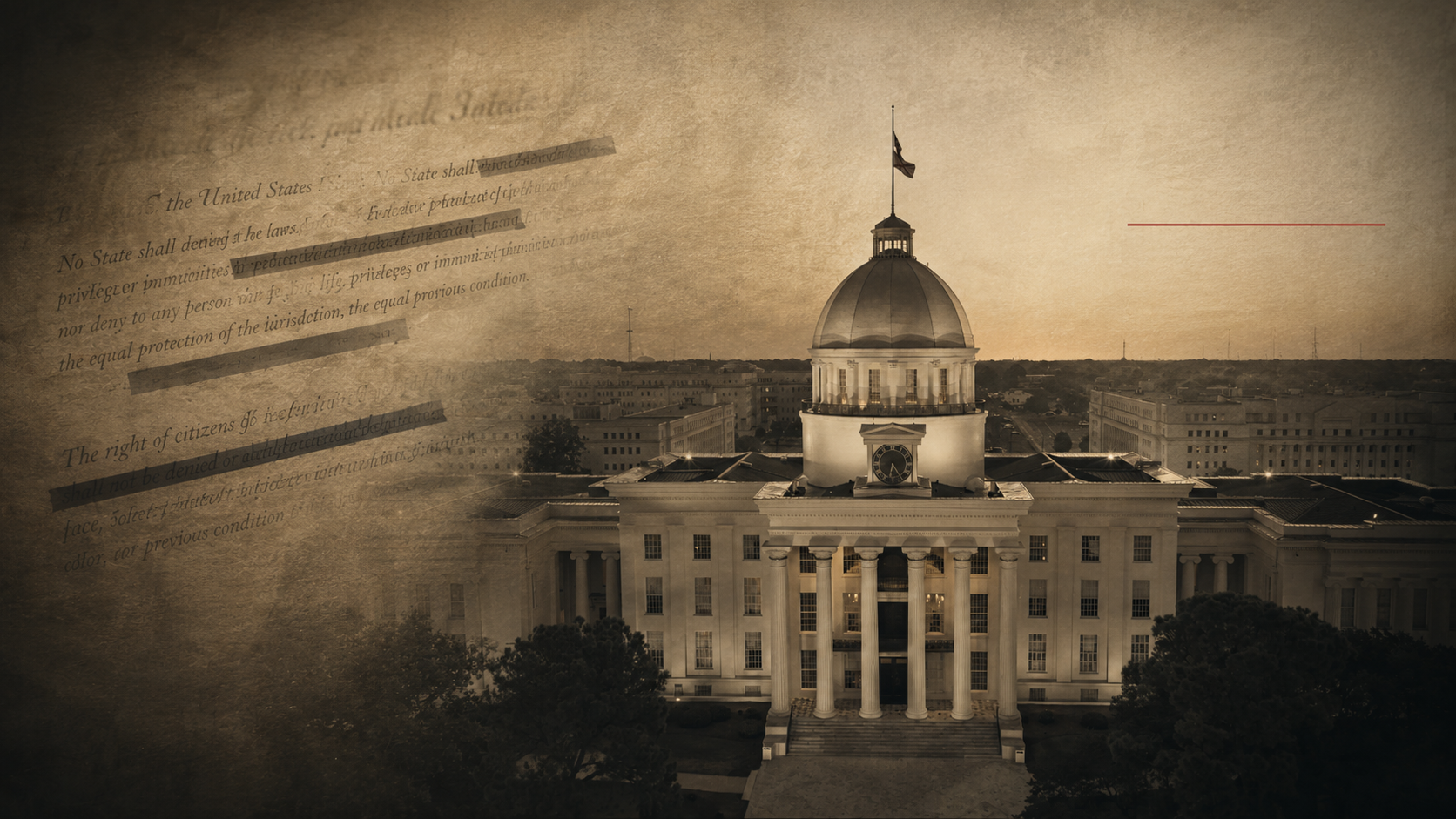
The 13th, 14th and 15th Amendments promised a new constitutional order. Slavery was abolished. National citizenship was established. Equal protection and due process were written into the Constitution. Voting rights could no longer be denied on account of race, color or previous condition of servitude. Congress was given power to enforce those guarantees.
That was the promise.
Powerful forces began working almost immediately to deny it.
The question after the Civil War was simple, even when the legal language was complex: Would the Reconstruction Constitution govern, or would the old constitutional arrangement reassert itself?
The answer came quickly.
Southern states adopted Black Codes to control the movement, labor and civil life of newly freed people. These laws were designed to preserve as much of slavery’s hierarchy as possible. They restricted movement, coerced labor, limited opportunity and sought to keep Black citizens in a subordinate position despite emancipation.
The old order had lost the war. It retained its appetite for power.
White supremacist violence soon became another instrument of resistance. Paramilitary groups used terror to crush Black political participation. Local officials looked away or participated. White elites worked to restore as much of the prewar racial hierarchy as possible. And when federal will weakened, the old order rushed back in new clothes.
That resistance was violent, legal, political and constitutional.
It appeared in the language of states’ rights, local control, judicial restraint and limited federal power. Those phrases have legitimate uses. In the postwar South, they were often deployed for a specific purpose: to prevent the federal government from enforcing the rights Reconstruction had written into the Constitution.
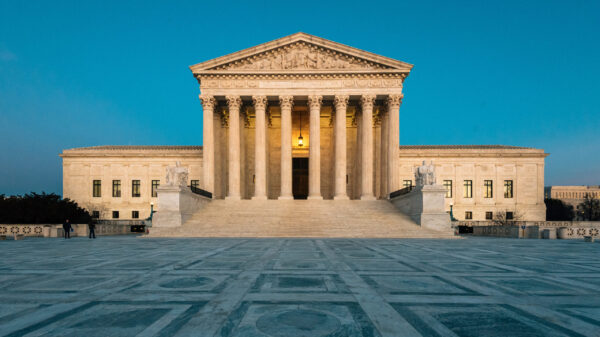
The Supreme Court helped make that retreat possible.
In The Slaughter-House Cases, decided in 1873, the court gave a cramped reading to one of the 14th Amendment’s most potentially powerful protections. The privileges or immunities clause might have become a major source of national protection for civil rights. Instead, the court read it narrowly, limiting one of Reconstruction’s great constitutional tools almost at the start.
In United States v. Cruikshank, arising from the Colfax Massacre, the court weakened federal power to punish racial terror and protect Black citizens. The case emerged from one of the bloodiest acts of political violence in Reconstruction Louisiana, where scores of Black men were killed after defending a courthouse amid a disputed election. Yet the court’s decision made it harder for the national government to prosecute such violence under federal civil rights laws.
The message was unmistakable: The federal government’s power to protect Black citizens would be narrow, even when states failed or refused to protect them.
In The Civil Rights Cases of 1883, the court struck down key parts of the Civil Rights Act of 1875, sharply limiting Congress’ ability to prohibit racial discrimination by private actors in public accommodations. Once again, the court’s reading of Reconstruction was smaller than Reconstruction’s promise.
Then came Plessy v. Ferguson in 1896, when the Supreme Court gave constitutional cover to segregation under the doctrine of “separate but equal.” That decision did not create Jim Crow by itself, but it gave Jim Crow the blessing of constitutional respectability.
Reconstruction was diminished through interpretation.
The words remained in the Constitution, but their force was reduced, their promise narrowed and their reach confined. The Constitution had changed, but the nation’s institutions refused to fully live under the change.
Jim Crow showed how relentlessly powerful forces worked to deny what Reconstruction meant.
The pre-Reconstruction order survived by adapting. It did not simply vanish when the 13th Amendment was ratified. It did not surrender when the 14th Amendment established birthright citizenship and equal protection. It did not disappear when the 15th Amendment promised Black men the right to vote.
It changed language. It moved from slavery to segregation, from Black Codes to poll taxes, from racial terror to legal doctrine, from open defiance to constitutional argument.
Alabama knows this history because Alabama lived it.
After Reconstruction, Alabama joined the broader Southern project of disfranchisement and segregation. The state did not repeal the Reconstruction Amendments. It worked around them. It used constitutional conventions, election laws, intimidation, economic coercion and racial terror to drain Black citizenship of practical power.
The ballot was the central target because the ballot was the central protection.
If Black citizens could vote, they could shape law. They could hold officials accountable. They could participate in government. They could defend schools, labor rights, property rights, public safety and basic dignity. Once they were driven from the political process, freedom itself became vulnerable.
That is why the 15th Amendment mattered. And that is why so much effort was spent evading it.
The story of Reconstruction’s defeat was also a story of national retreat. The federal government lost the will to enforce what the Constitution had promised. Courts narrowed congressional power. Politicians compromised away Black rights in the name of reconciliation. White Americans grew tired of the burdens of justice and called their exhaustion peace.
Peace without justice is surrender to the powerful.
That surrender lasted for generations.
It took nearly a century after the Civil War for the nation to begin enforcing Reconstruction’s promises with anything like the seriousness they deserved. The Civil Rights Movement did not invent new constitutional principles from thin air. It demanded that America honor the ones already written in blood and law.
Brown v. Board of Education challenged the lie of “separate but equal.” The Civil Rights Act of 1964 attacked segregation in public life. The Voting Rights Act of 1965 gave real force to the 15th Amendment by placing federal power behind the right to vote.
And Alabama was at the center of that struggle.
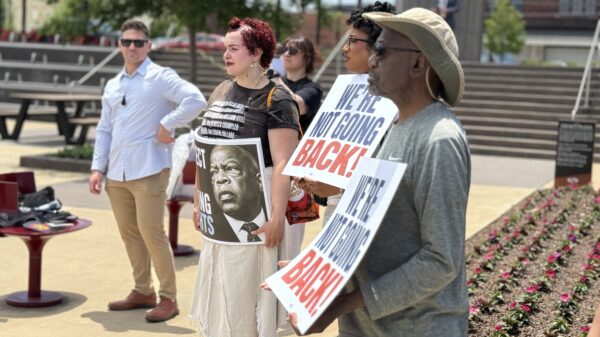
Selma was a constitutional battlefield. The marchers on the Edmund Pettus Bridge were demanding enforcement of the Reconstruction Constitution. They were demanding that the nation finally honor the 15th Amendment’s command.
That is why the Voting Rights Act was so important. It was Congress finally using the enforcement power promised by Reconstruction. It was a recognition that states with long histories of discrimination could not always be trusted to police themselves.
That was the lesson of American history.
The old order had shown the nation what happened when citizenship and voting rights were left entirely to state power. Reconstruction was supposed to correct that mistake. Jim Crow proved what happened when the correction was ignored.
That is why the battle over Reconstruction never truly ended.
It moved from plantations to statehouses, from night rides to courtrooms, from poll taxes to redistricting plans, from open defiance to refined legal theory. The methods changed. The question did not.
Would the promises of Reconstruction govern American life? Or would they remain words on parchment, honored in ceremony and weakened in practice?
That question is before us now.