

























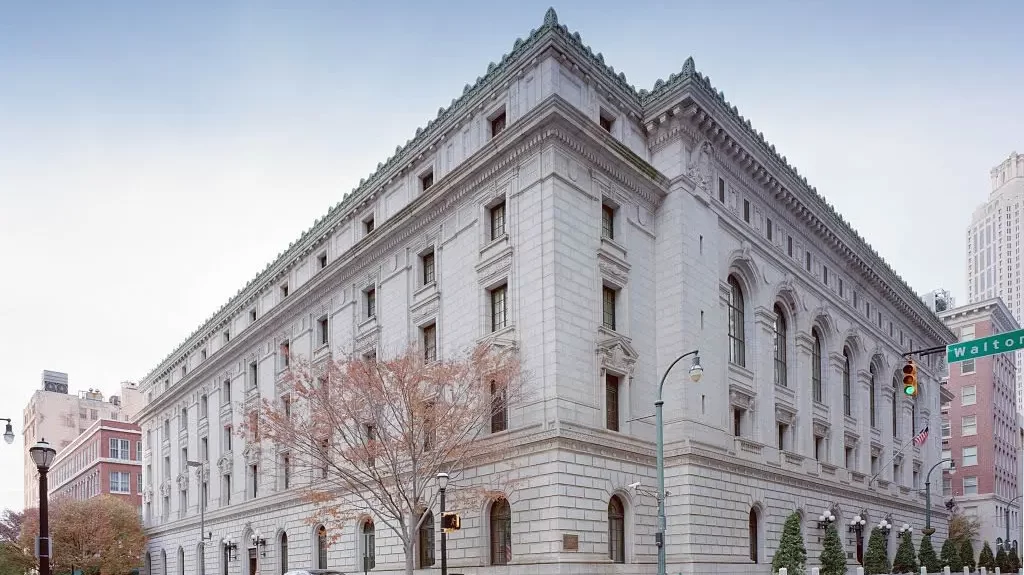
On June 24, the 11th U.S. Circuit Court of Appeals largely upheld a remedial order issued in 2021 by an Alabama district court in the class action case Braggs v. Lovelace.
First filed by prisoners and the Alabama Disabilities Advocacy Program in 2014, the initial class action complaint alleged that the Alabama Department of Corrections’ “deliberate indifference to the obvious medical needs of the persons in their custody” had led to the deaths of numerous inmates.
After the district court issued a liability order in 2017, finding in part that ADOC commissioners were liable for violations of the Eighth Amendment, it divided the remedy into several phases. The appeals court considered only challenges to the Eighth Amendment portions.
“Between 2015 and 2016 alone, the rate of suicide for inmates imprisoned in the Alabama Department of Corrections was more than double the national average among state and federal correctional facilities,” last week’s opinion, written by United States Circuit Judge Adalberto Jordan, begins. “During one 15-month period of this litigation, 15 Alabama inmates killed themselves.”
Jordan wrote that the district court’s remedial opinion, which was a few hundred pages long, detailed the “shocking” circumstances of suicides that had occurred since the initial liability order. He also wrote that the lower court “painstakingly addressed the need-narrowness-intrusiveness requirement with respect to every form of relief awarded in the Remedial Order.”
“The district court did not err by entering relief in 2021 during the remedial phase of the trial in this case based on its findings of deliberate indifference in 2017 during the liability phase of the trial,” Jordan wrote in another section of the opinion.
The appeals court largely upheld the district court’s findings and the remedial orders it had issued, emphasizing that the “Liability Order identified a systemic Eighth Amendment violation.” However, the court overturned or amended a few provisions.
The court further exempted Tutwiler, a women’s prison, from many of the remedial provisions because the last suicide there occurred in 2004 and both parties acknowledged that care there was adequate. The court also struck two provisions requiring ADOC to suicide-proof all cells and “fill all mandatory and essential posts,” finding that they exceeded legal requirements under the Prison Litigation Reform Act.
Latasha Dejarnett, a senior staff attorney at the Southern Poverty Law Center, praised the appeals court’s decision in a statement Friday. The SPLC frequently criticizes the treatment of prisoners in Alabama and helped file the class action suit in 2014.
“The 11th Circuit’s opinion in Braggs v. Lovelace sends a definitive message to ADOC that their attempts to thwart the court’s mandates to fix their broken prison system will not be tolerated,” Dejarnett said. “The state must provide constitutionally adequate care for human beings in its prisons.”
“Unfortunately, many of the clients originally involved with this lawsuit are no longer with us due to multiple civil and human rights violations carried out by ADOC staff,” she said. “This opinion provides a step forward, but ultimately the state must correct underlying issues that contribute to the harm done.”