






















The House Judiciary Committee held a hearing Wednesday examining the Southern Poverty Law Center and the Trump administration’s recent criminal case against the civil rights organization.
The hearing, titled “The Southern Poverty Law Center: Manufacturing Hate,” focused on allegations made by the Department of Justice that the SPLC defrauded donors by using undercover informants to infiltrate white supremacist and extremist groups.
Republicans on the committee argued that the organization exaggerated domestic extremism threats and misled donors, while Democrats characterized the prosecution as politically motivated retaliation against a group known for tracking hate organizations.
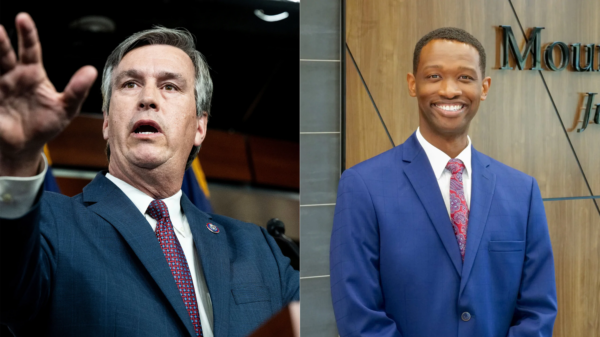
In opening remarks, ranking member Jamie Raskin, D-Maryland, forcefully defended the SPLC and accused the Trump administration of weaponizing the Justice Department against political enemies.
“For decades, the Southern Poverty Law Center shared information about racist terror plots with the FBI gleaned from their informant program,” Raskin said. “The FBI was happy to receive it, and this practice frequently led to the disruption of violent and dangerous conspiracies by the KKK and neo-Nazi groups.”
Raskin repeatedly questioned the government’s fraud allegations, arguing there was no evidence that donors had been deceived by the organization’s use of confidential informants.
“Where are all the donors complaining about having been defrauded?” Raskin asked. “Where is the fraud? Where are their lawsuits?”
The hearing came after House Democrats launched an inquiry into the DOJ prosecution following whistleblower allegations that senior Justice Department officials pressured prosecutors in Alabama to move forward quickly, disregarding concerns about the case’s strength.
According to the DOJ indictment, the SPLC is accused of wire fraud, false statements to a bank and money laundering tied to payments made to informants working within extremist organizations. The SPLC denied wrongdoing and characterized the prosecution as an attempt to punish the organization for its civil rights advocacy.
Witnesses called by Republicans sharply criticized the SPLC’s influence and methods.
Tyler O’Neil, senior editor at The Daily Signal, argued the organization had evolved from a civil rights group into what he described as a partisan political operation. O’Neil testified that the SPLC’s “hate map” had unfairly labeled mainstream conservative and religious organizations alongside violent extremist groups, contributing to reputational and financial harm.
Former Vanderbilt University professor Carol Swain testified that the SPLC had smeared conservatives and Christians through its hate group designations and had become influential within federal policymaking circles. Swain argued the organization’s rhetoric had contributed to political polarization and hostility toward conservative viewpoints.
Additional testimony submitted to the committee criticized the SPLC’s fundraising practices and its classification system for extremist organizations. Witnesses argued the organization’s donor messaging created incentives to amplify perceived threats from right-wing groups.
Democrats on the committee countered that the SPLC’s work monitoring extremist movements had long been relied upon by journalists, researchers and law enforcement agencies. They also noted the organization has historically faced threats and violence because of its work tracking the Ku Klux Klan and neo-Nazi organizations.
Maya Wiley, president and CEO of The Leadership Conference on Civil and Human Rights, testified that the group’s legal work and research have had tangible effects both in the courts and in public safety efforts.
“It has brought major voting rights cases, including litigation that helped secure fairer representation for Black voters in Alabama. It has worked to document threats from extremist movements before those threats turn into violence, and as I’ll describe below, its work has also assisted law enforcement. Sadly, this work is imperative,” Wiley said. “SPLC is being targeted not because it is dangerous, but because it is effective.”
Raskin ultimately called the prosecution “an outrageous, scandalous persecution,” arguing the administration was attempting to intimidate civil rights organizations.