














Prediction market wagering on sports is apparently here to stay.
The Commodities Futures Trading Commission recently passed new regulations for prediction markets, placing new limitations on “contracts,” which are essentially wagers, on non-sports events, such as wars and assassinations. But the CFTC left sports wagering virtually untouched, aside from forbidding wagers on player injuries.
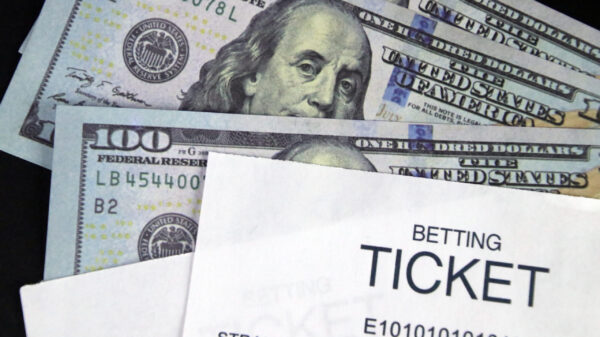
If you’re unfamiliar with prediction market wagering, it is basically the buying of contracts on different outcomes. For sports, that typically means buying “yes” or “no” contracts on whether a team will win or a player will achieve a certain goal.
It is basically the exact same thing as traditional sports betting. But prediction markets aren’t governed by states. They’re governed by the federal government, and the Trump administration—likely because Trump’s family is heavily involved in prediction market companies—has determined that they are commodity traders, not sports wagering, despite many complaints from states.
This is all very bad news for Alabama, which has, for years, dragged its feet on putting in place any sort of comprehensive gambling plan.
Now, the state’s citizenry will quickly start placing wagers on sporting events through the prediction market companies, such Kalshi and others. The state will make zero dollars in tax revenue from those wagers.
So, any hope we might have of turning the revenue from gambling into an offset for some of the problems created by gambling—specifically, addiction issues—is quickly vanishing, as people fall into the routines of wagering through the prediction markets.
It’s also detrimental in another way: Almost all of the companies that compete in the prediction market space are headquartered elsewhere. So, not only are we losing out on tax revenue related to the wagers, we’re also watching all of the money head to other states.
This is the result of the hard work of the anti-gambling crowd in Alabama. You know who they are by now. They pop up each time this issue takes center stage, and for their own selfish reasons, they oppose any and every effort to pass a common sense gambling bill that would allow Alabama to recoup revenue from the billions in gambling activity that occurs in this state.
Here’s what their success has meant: Alabama has hundreds of illegal casinos operating daily. It has three legal casinos operated by the Poarch Band of Creek Indians. It has three operational dog tracks. It has one of the highest sports wagering rates per capita in the United States, with hundreds of million wagered annually through off-shore websites and local bookies.
And hardly any of it is taxed. (Only the revenue taken in by the dog tracks.)
With a comprehensive gaming bill, we could stop much of the illegal gambling (which funds various other illegal activities) and bring in around a billion dollars per year in tax revenue.
Do you understand what I’m saying?
We could have less gambling overall, and that gambling would primarily be conducted by reputable, audited companies that were forced to adhere to strict reporting and oversight standards. And then we’d also have a billion dollars too.
But ohhhhhh no. This would be terrible, according to the anti-gambling crowd out there. It’s much better to just let the prediction markets take over and illegal casinos to pop up in neighborhood convenience stores.
Even when the proposed legislation would have kept the casinos in Alabama owned and operated by Alabama residents and businesses, the anti-gambling folks pushed back. Actually tried to make it a negative that anyone would suggest allowing Alabama businesses to operate casinos in this state.
In the meantime, the Poarch Creeks are operating casinos all over the country, partnering with some of the most recognizable names in American business, and the McGregor family, which operates VictoryLand, has entered into partnerships with a number of respected gaming entities and hotels.
So, an opportunity to build tourist attractions and keep 100 percent of the money in Alabama has also been squashed.
None of this should be a surprise, I suppose. Alabama has long suffered because it failed to be progressive and far too often chose to accept the status quo. That it’s done the same with gambling shouldn’t be a shock.
Still, though, it remains disappointing. Because you can almost literally see the potential revenue drying up, as prediction markets take hold of the fastest growing gambling market and squeeze states like Alabama out of the money.
So much good could be done with this money. So much good could come of properly regulating the gambling that’s currently occurring in Alabama.
But all we keep getting is more bad news.