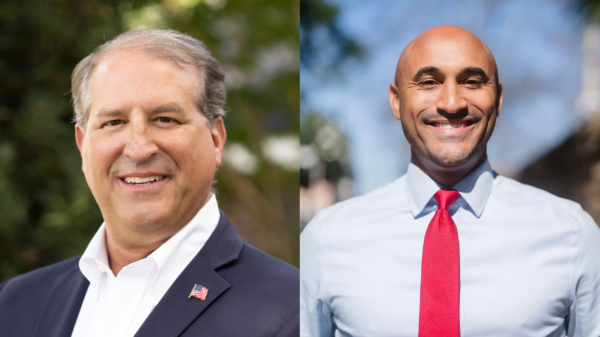

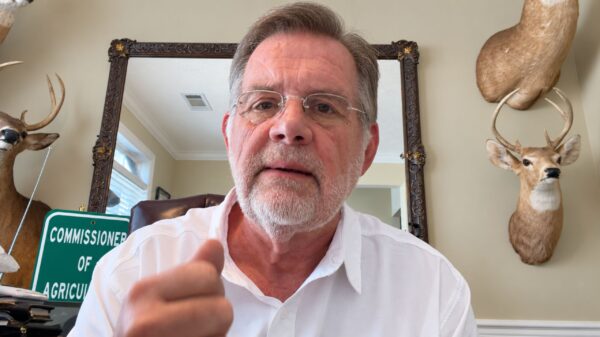












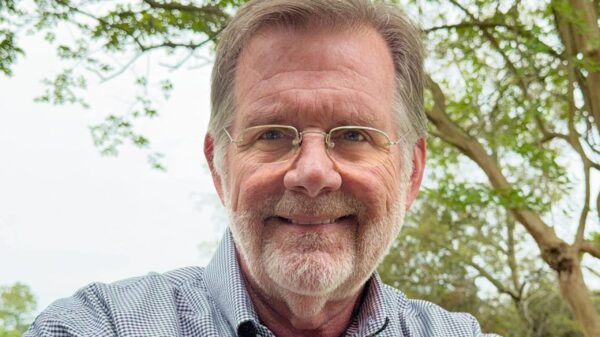


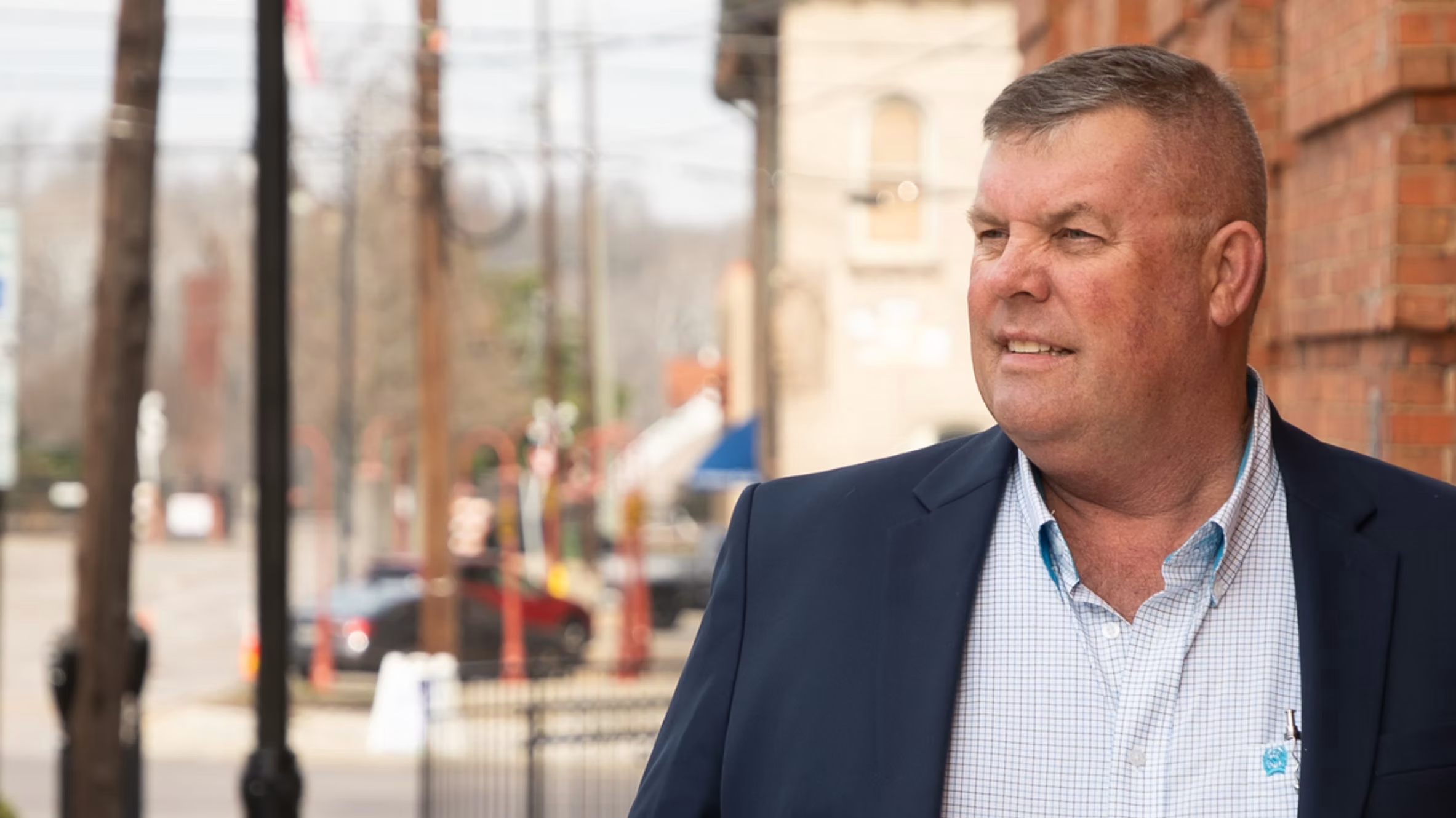
In Alabama Senate District 22, one of the state’s most consequential economic debates is already settled on the ground—but not in this race. Terry Waters, an ALFA-backed nursery owner and first-time candidate, says he opposes not only gambling expansion, but allowing voters to decide the issue at all.
“I’m against gambling in any form, period,” Waters said in a recent interview with APR, adding that his opposition extends even to a statewide vote on a lottery or broader gaming legislation.
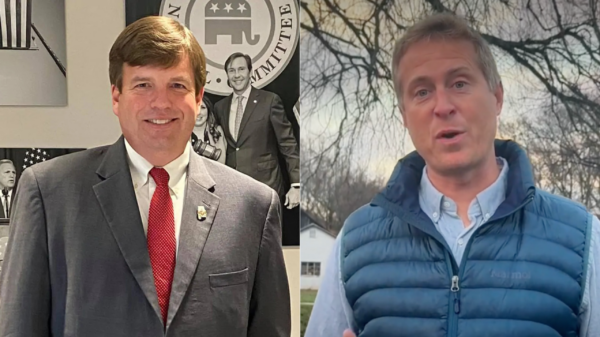
Waters is challenging longtime incumbent Senator Greg Albritton in the Republican primary, positioning himself as an outsider candidate focused on local concerns and responsiveness.
But his stance on gambling places him in direct contrast with both the economic reality of the district and broader public sentiment across the state.
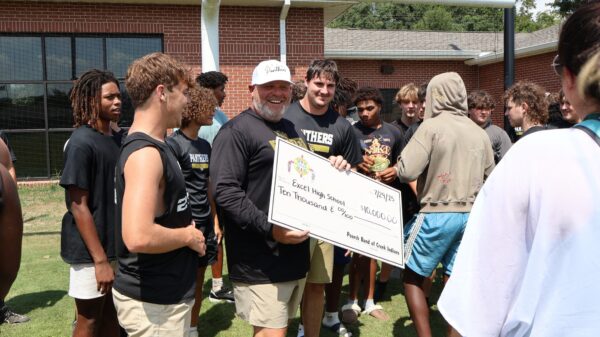
District 22 is home to the Poarch Band of Creek Indians, whose gaming operations represent one of the most significant sources of jobs and private investment in the region.
The Tribe’s recent acquisition of the Birmingham Race Course—with plans to transform it into a destination entertainment complex—underscores the direction of that investment.
Polling in recent years has consistently shown that a majority of Alabamians support having the opportunity to vote on a lottery or broader gaming legislation—even among voters who remain personally opposed to gambling. But Waters is also opposed to the question itself being put before voters.
“I don’t want to see any more spots in Alabama for gambling,” he said, while acknowledging that existing operations “do a pretty good job of keeping money in our area” and contribute to local communities.
Waters said his position reflects concerns about expanding government and the broader effects of gaming legislation.
His stance also aligns with the long-standing position of the Alabama Farmers Federation, which has historically opposed gaming measures in Alabama.
Waters’ candidacy is built in part on his status as a political outsider—something he emphasizes.
“I didn’t start out looking to do this at all,” he said. “I’m not a politician.”
He has also been candid about the limits of his current policy framework.
“I don’t think there’s anything wrong in saying I don’t know what I’ll get into,” Waters said. “I’m not going to make any false promises.”
Instead, he said he plans to rely on a network of local professionals to guide his decisions if elected.
That stands in contrast to Albritton, who has served in the Senate for more than a decade and currently chairs the Finance and Taxation General Fund Committee.
Still, Waters suggests experience has come with a cost.
“I’ve heard from a lot of people… that they feel denied, forgotten,” he said.
On other issues, Waters’ positions remain less developed. He raised concerns about a large-scale solar project in the district but acknowledged he has not fully examined the details.
“I don’t know the answer to all that,” he said.
He also pointed to healthcare access as a major concern across the district, though without outlining specific proposals.
The Republican primary is set for May 19.