
























The U.S. Department of Veterans Affairs last week announced a clinical trial testing the effectiveness of psychedelic therapy for veterans, with two trial sites in Alabama.
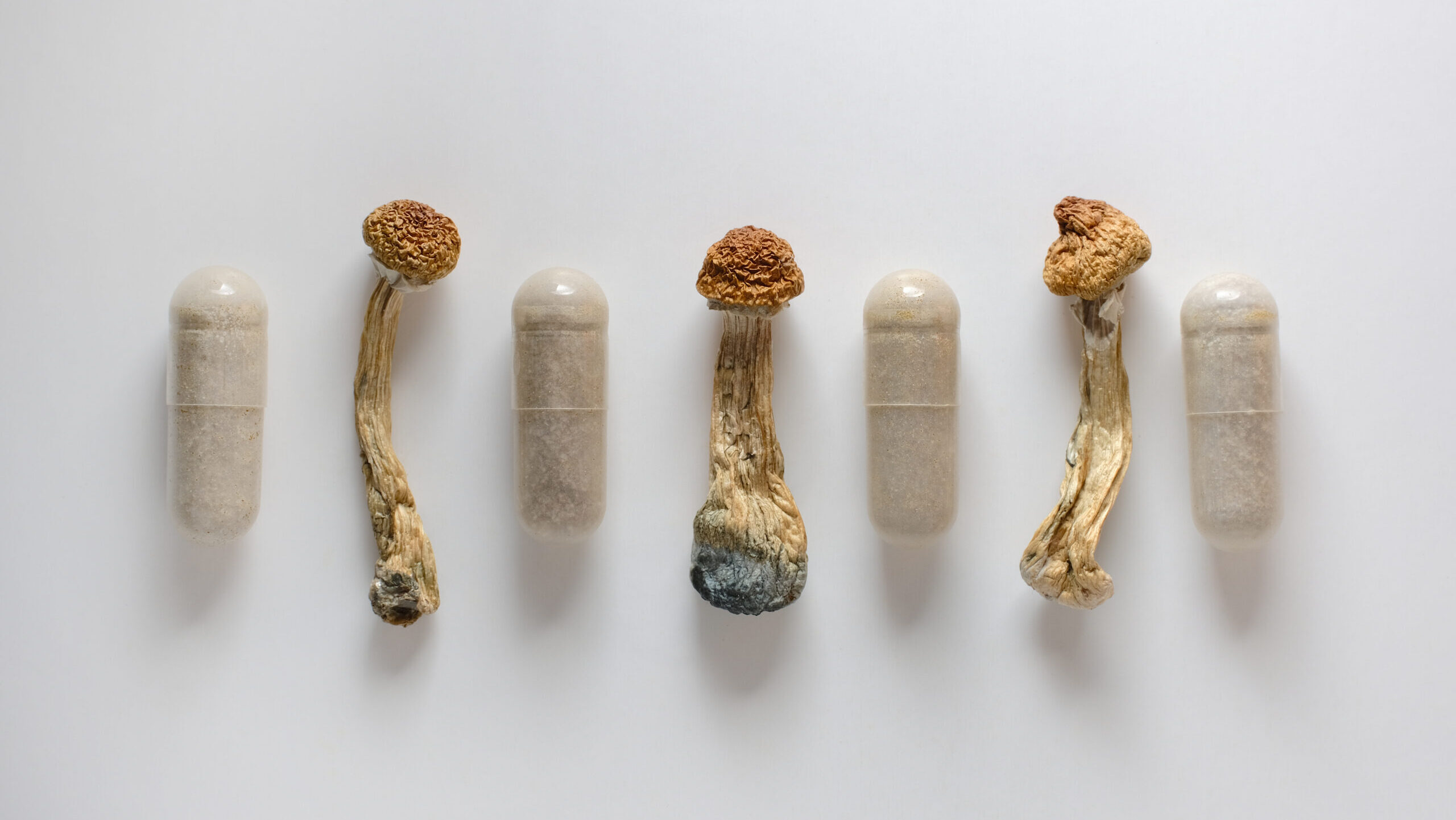
The trial, titled Psilocybin Intervention for Veterans Overcoming Treatment-Resistant Depression, will evaluate the effectiveness and safety of psilocybin treatment for depression and concurrent post-traumatic stress disorder. Psilocybin is a psychedelic compound that occurs naturally in certain species of mushrooms.
The double-blind, randomized controlled trial will enroll veterans diagnosed with treatment-resistant major depressive disorder, with or without concurrent PTSD. Researchers will study the effects of two doses of the drug on depression and PTSD symptoms, comparing the severity of participants’ depression before and after treatment and evaluating the tolerability of side effects.
The trial will be conducted at five locations: the Birmingham VA Health Care System and Tuscaloosa VA Medical Center in Alabama; VA Portland Health Care System in Oregon; Corporal Michael J. Crescenz VA Medical Center in Pennsylvania; and VA Puget Sound Health Care System in Washington.
President Donald Trump signed an executive order titled “Accelerating Medical Treatments for Serious Mental Illnesses” in April. The order directs federal agencies to accelerate research, regulatory review and patient access to psychedelic compounds such as psilocybin and ibogaine for patients with serious mental health conditions. The directive provided $50 million in funding through the Advanced Research Projects Agency for Health, or ARPA-H, to investigate psychedelic therapies.
“Far too many Veterans are living with mental health conditions that don’t respond to available treatments,” VA Secretary Doug Collins said. “Under President Trump, VA is pursuing all avenues to evaluate new treatments and offer meaningful relief for those who have worn the uniform. This clinical trial reflects another step toward this goal.”
In a Friday statement, representatives of the Birmingham VA Health Care System described the PIVOT trial as an opportunity for the VA to explore the effectiveness of new and alternative treatment options for veterans.
“VA Birmingham is committed to exploring evidence-based avenues to improve the mental health and wellbeing of the Veterans we serve,” the Birmingham VA Health Care System wrote. “By participating in the PIVOT trial, our facility is proud to join four other VA facilities to help advance innovative research into new treatment options that may offer meaningful relief for Veterans, both in Alabama and nationwide.”
Birmingham VA Health Care System Executive Director and CEO Dr. Ladi Kukoyi said on Friday that the system is “committed to exploring every evidence-based avenue to improve the mental health and well‐being of the Veterans we serve.”
“By participating in this trial, our facility is helping advance innovative research into new treatment options that may offer meaningful relief for Veterans, both here in central and northern Alabama and across the country,” Kukoyi added.
Both the Department of Veterans Affairs and the Birmingham VA emphasized that the VA “strongly discourages” veterans from self-medicating with psychedelics or replacing prescribed mental health medications with psychedelics or other drugs without medical supervision.
“The health and safety of Veterans who choose to participate in this trial is VA’s top priority,” the Department of Veterans Affairs wrote. “The trial will be conducted in a safe, controlled, clinical setting using pharmaceutical-grade drugs under careful quality controls, stringent safety protocols that were developed with FDA, and in a setting that includes psychological support.”
Psilocybin is federally illegal for individual possession and is classified as a Schedule I controlled substance. However, government and academic researchers may access the drug for clinical testing with approval from the U.S. Food and Drug Administration, U.S. Drug Enforcement Administration and local institutional review boards.
The FDA in April granted breakthrough therapy designation to several companies developing psychedelic treatments, allowing for expedited development and review of qualifying therapies involving substances including MDMA, psilocybin and LSD.