






























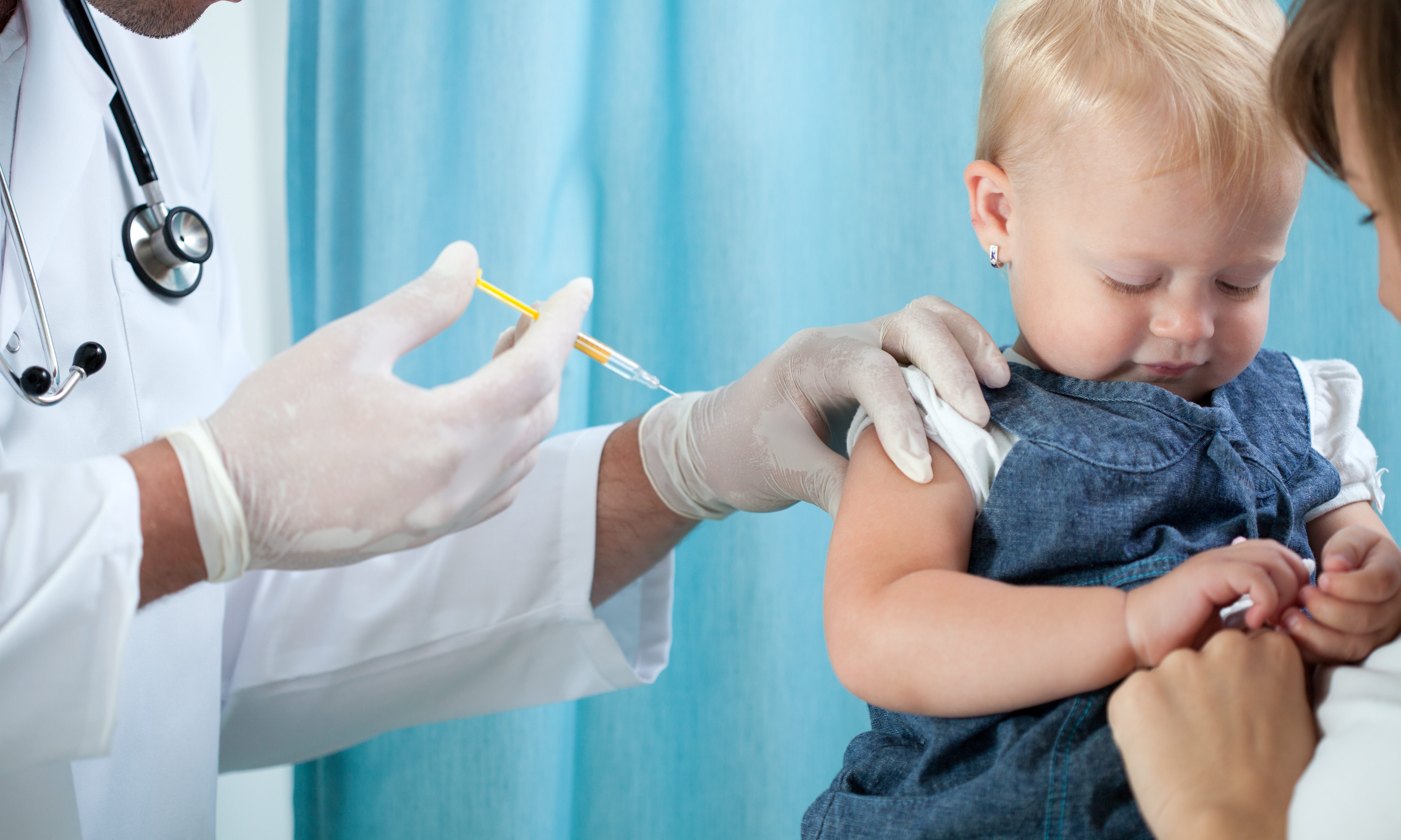
The percentage of Alabama kindergartners with vaccine exemptions reached its highest level in more than a decade during the 2025-26 school year, according to newly released data from the Centers for Disease Control and Prevention.
Alabama reported 1,626 kindergartners with an exemption from at least one vaccine, representing 3 percent of the 53,378 children included in the state’s data. That is up from 2.3 percent, or 1,214 children, in 2024-25.
Nearly all of the exemptions were classified as nonmedical. Alabama reported 1,563 nonmedical exemptions, compared with 63 medical exemptions. About 96 percent of Alabama kindergartners with an exemption had a nonmedical exemption.
Vaccine exemptions have also risen nationally. The CDC reported that 4.2 percent of U.S. kindergartners had an exemption from at least one vaccine in 2025-26, up from 3.6 percent the previous year.
Exemption rates increased in 41 states and the District of Columbia, with 24 states reporting rates above 5 percent. About 155,000 kindergartners nationwide were exempt from one or more vaccines.
Alabama’s 3 percent rate remains below the national rate, but it represents a continued increase after years of relatively low exemption rates. The rise in Alabama’s exemption rate has been driven largely by nonmedical exemptions.
In 2019-20, 1.2 percent of Alabama kindergartners had an exemption, including 1.1 percent with a nonmedical exemption. By 2022-23, the overall rate had reached 2 percent. It increased to 2.2 percent in 2023-24, 2.3 percent in 2024-25 and 3 percent this school year.
The latest increase of 0.7 percentage points is the largest year-over-year increase in Alabama’s exemption rate since the CDC’s data series began in 2011-12.
The longer-term change is even more pronounced. In 2011-12, 0.6 percent of Alabama kindergartners, or 465 children, had a vaccine exemption.
The number of exemptions has more than tripled since then, even as the number of kindergartners represented in the state’s data has declined. Alabama reported 73,190 kindergartners in 2011-12, compared with 53,378 this school year.
Medical exemptions, meanwhile, have remained relatively stable at about 0.1 percent of kindergartners during most of the period.
The CDC does not provide a more detailed breakdown of Alabama’s nonmedical exemptions or identify which specific vaccines the exemptions cover.
The rise in exemptions occurred alongside declines in Alabama’s vaccination coverage.
Coverage for the measles, mumps and rubella vaccine fell from 95.2 percent in 2024-25 to 94.3 percent this school year. DTaP coverage fell from 95 percent to 94 percent, while polio coverage declined from 96 percent to 95.2 percent. Varicella coverage fell from 98 percent to 97.6 percent.
National coverage ranged from 92 percent for DTaP to 92.4 percent for MMR and polio.
The CDC estimates that about 280,000 kindergartners nationwide attended school without documentation that they had completed the MMR vaccine series.
Alabama’s MMR coverage remains higher than the national rate, at 94.3 percent compared with 92.4 percent nationally.
The CDC data do not show whether Alabama’s increase in exemptions is concentrated in particular counties, schools or school systems.