

















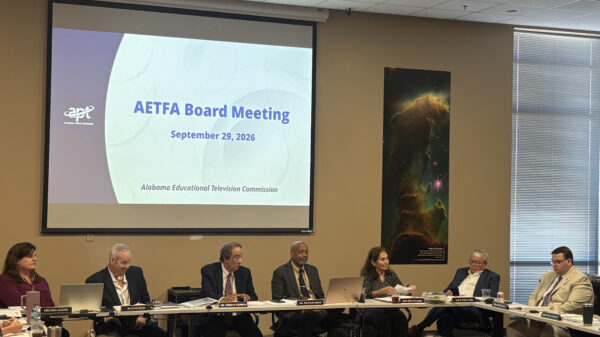









For the first time in more than 20 years, the Alabama Board of Education is rewriting the state’s plan for school counseling, which has greatly evolved since the current standards were last approved. Since then, there have been two attempts to modernize the plan, but neither made it to the board for a vote.
“We don’t even really have a working plan anymore,” said State Superintendent Eric Mackey. “It’s just that old.”
A task force was formed to survey more than 100 school counselors, administrators and education experts this spring. The group met monthly, beginning in April, to review the structure, goals and vision for counseling across grade levels.
“The profession changed the name from guidance counselor many years ago. When we say school counselor, we mean the actual educator that’s in each of our schools at the school level who is leading that instructional program,” said Mackey. “We are not referring to outside mental health providers or contracted therapists.”
The clarification was more than semantic. In recent years, confusion about the role of counselors has fueled debate among parents and policymakers.
“School counselors don’t do therapy,” said Mackey. “Therapy is a medical service that requires parental consent. Counselors provide academic and career guidance and help students develop the foundational skills they need to succeed, but they are not performing clinical services. Some of our school counselors are licensed mental health counselors, but at school, they don’t provide therapy.”
Officials emphasized that the revised standards also discourage schools from assigning counselors administrative duties such as registration or testing coordination, a practice they say limits time for direct student support.
“We don’t want schools using their counselors as administrators,” said Mackey. “Just like we don’t want librarians being used as tech coaches instead of running libraries.”
“We’ll come back and do a rubric that will say, you know, if you’re doing it right, this is what your librarian’s doing every day. If you’re doing counseling right, this is what your counselor is doing every day. Now, some districts will say, well, that’s fine and good, but I’ll take a B, and I’m also going to make the counselor the registrar. We don’t necessarily like that, but, you know, they employed the people,” said Mackey.
The board also discussed how to better incorporate family feedback into future counselor evaluations.
“One of the most important things we can do is make sure parents have a voice,” said board member Stephanie Bell. “They’re the first teachers. Counselors help shape a child’s academic future, so parents should be part of that conversation.”
Officials said local school systems already conduct annual reviews of their counseling programs, but the new plan is designed to make that process more consistent and measurable statewide.
The plan will undergo expert review and a public comment period in the coming weeks, with final revisions expected before the end of the year.