
















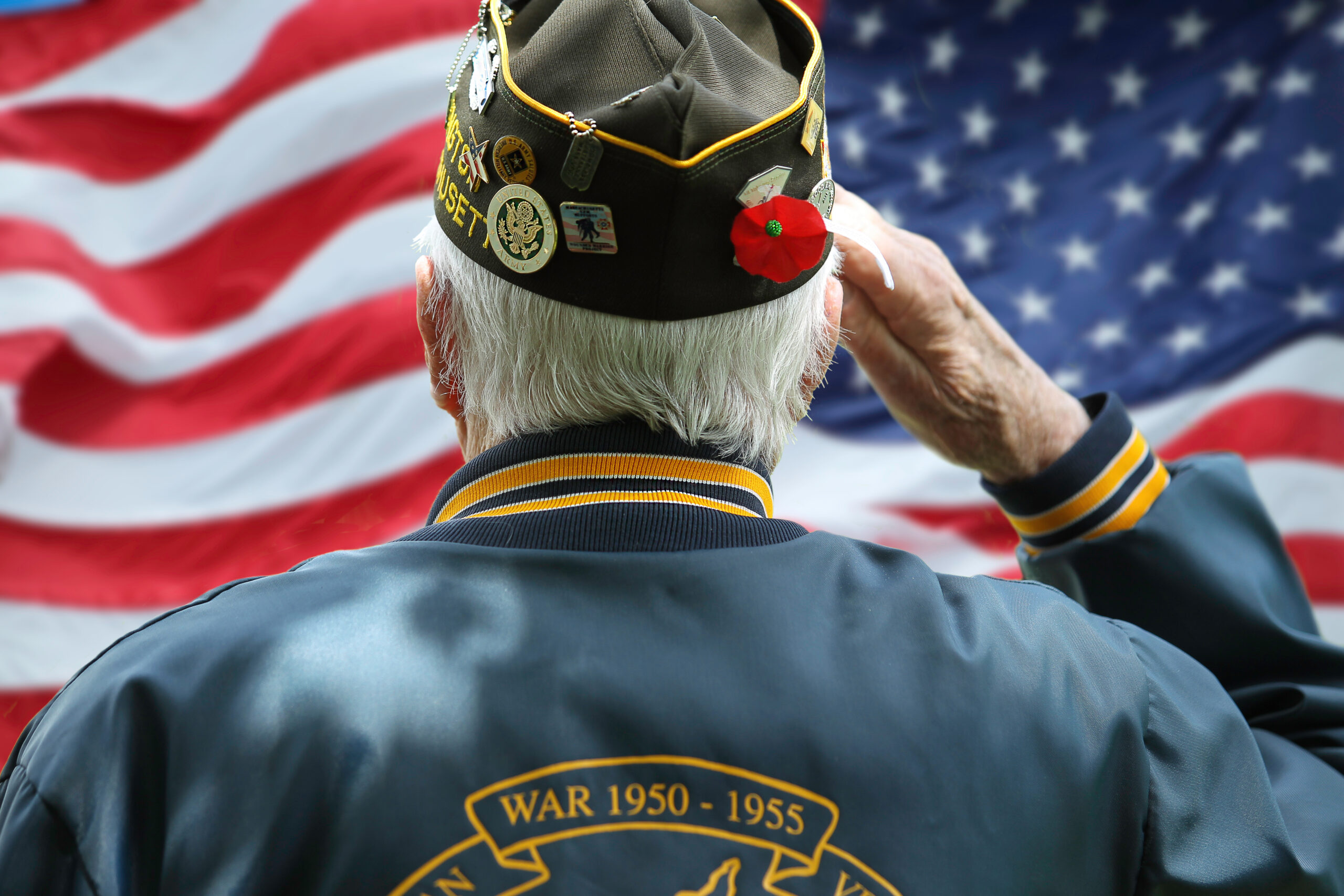
They do not serve for glory, or power, or wealth. Some were called by draft, others by choice—but all answered when their nation needed them. Each made a decision, whether voluntary or compelled, to set aside comfort and safety for something greater: the defense of this nation and its ideals. That act, in any form, carries extraordinary moral weight. It is a promise made in youth and kept in hardship—freely given by some, dutifully by others—and too often, poorly repaid.
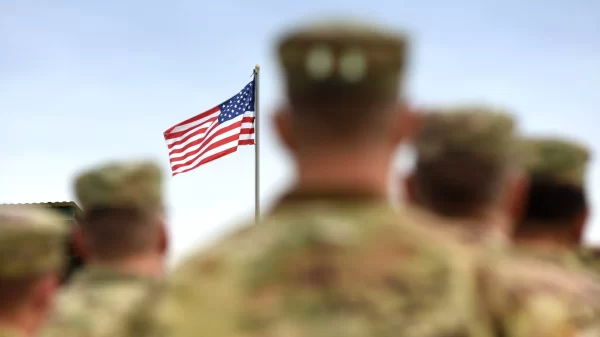
Every veteran, from the newest recruit to the oldest among us, begins their service with a simple but profound act—an oath. They swear not to a president, not to a political party, but to the Constitution of the United States. They pledge to “support and defend” that document against all enemies, foreign and domestic. Their loyalty is not to any one person but to the rule of law, to liberty, and to the enduring idea that this Republic—imperfect as it may be—is worth defending.
It is an oath that binds them to the highest civic virtue imaginable: faith in America itself. They take that oath seriously, even when the nation they defend stumbles in honoring it. As President John F. Kennedy reminded us, “A nation reveals itself not only by the men it produces but also by the men it honors, the men it remembers.” The same can be said of the women who have worn the uniform with equal courage and conviction.
The purpose of our armed forces is not conquest. It is not to glorify war, nor to celebrate strength for its own sake. The purpose is protection—to secure peace through the credible defense of liberty. Those who serve understand that mission better than most civilians ever will. They’ve seen its cost, felt its weight and carried its consequences. Their service reminds us that freedom is neither free nor permanent—it must be renewed with every generation’s willingness to defend it.
For generations, the GI Bill opened doors that once seemed forever closed. Veterans used it to earn degrees, buy homes and start businesses. It built the American middle class. It strengthened communities. It made this country better. But that promise has grown fragile. Programs exist on paper, yet too many who served find themselves mired in red tape, waiting months for healthcare or fighting for mental health support.
The statistics are haunting. Veterans are far more likely to die by suicide than their civilian peers. Many struggle with post-traumatic stress, chronic pain, or injuries that make civilian life a daily battle. Homelessness among veterans remains a national disgrace. These men and women answered their nation’s call; their nation too often responds with bureaucracy instead of gratitude.
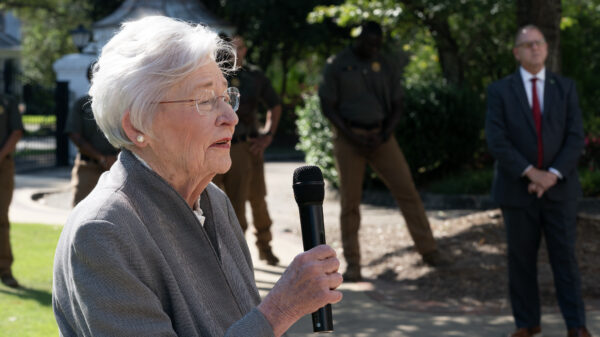
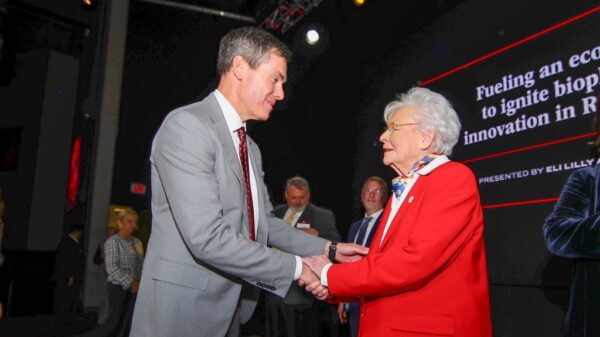
In Alabama, we are not silent on our debt to those who serve. Governor Kay Ivey signed into law the creation of the Alabama Veterans Resource Center, designed to help those who wore the uniform transition into civilian life, access benefits and find meaningful work. Lieutenant Governor Will Ainsworth has championed a series of pro-military measures delivering tax relief for deployed troops, expanding educational opportunities for military families, and strengthening mental health services for veterans. The Alabama Legislature has backed these initiatives with bipartisan support, reaffirming that our state values those who have defended its freedom.
But even with this progress, much remains to be done. The promise we make to veterans does not end when they hang up the uniform. Ensuring timely healthcare, eliminating bureaucratic barriers, and addressing the invisible wounds of war require continued commitment—not just once a year, but every day of the year. Alabama has taken important steps in the right direction, but the measure of our gratitude will always be found in how steadfastly we keep walking that path.
Their service is the truest expression of civic duty—something that transcends politics. They come from every corner of America, every background, every belief. They take an oath that unites them in purpose, even as the rest of the nation too often fractures in anger or indifference.
General Douglas MacArthur once said, “The soldier, above all other men, is required to practice the greatest act of religious training—sacrifice.” That truth endures. Service to country demands not only courage but humility—a willingness to place others first.
We could learn from that unity. We could remember that love of country is not blind allegiance but shared responsibility—a willingness to defend the ideals that make us free, and to protect those who protect us.
Abraham Lincoln captured that responsibility in words that still define our national promise: “To care for him who shall have borne the battle, and for his widow, and his orphan.” That duty remains the truest test of a grateful nation.
Veterans Day is not only a day of remembrance. It is a day of reckoning. The men and women who serve give us more than security—they give us an example of what it means to belong to something larger than ourselves.
My wife’s father was a prisoner of war. He lived his life with the scars of that experience but remained proud of his service to his nation and was buried with full military honors. He saw many Veterans Days before he passed and never regretted his time in uniform. His story reminds me that we should not only thank a veteran, but demand that our government remembers them as well.
They take an oath to defend this nation’s ideals. Our duty, in return, is to ensure those ideals defend them—in word, in law and in action.