





























Memorial Day has become, for many Americans, the unofficial beginning of summer. It arrives with crowded highways, cookouts, retail sales and long weekends.
But beneath all of that rests the memory of young Americans who left home and never returned. Young men and women who never had the opportunity to grow old, raise families or build the lives they imagined for themselves.
Old men remember wars.
The young too often become memory because of them.
Wars are debated in hearing rooms, announced from podiums and mapped by strategists. But they are paid for somewhere else entirely.
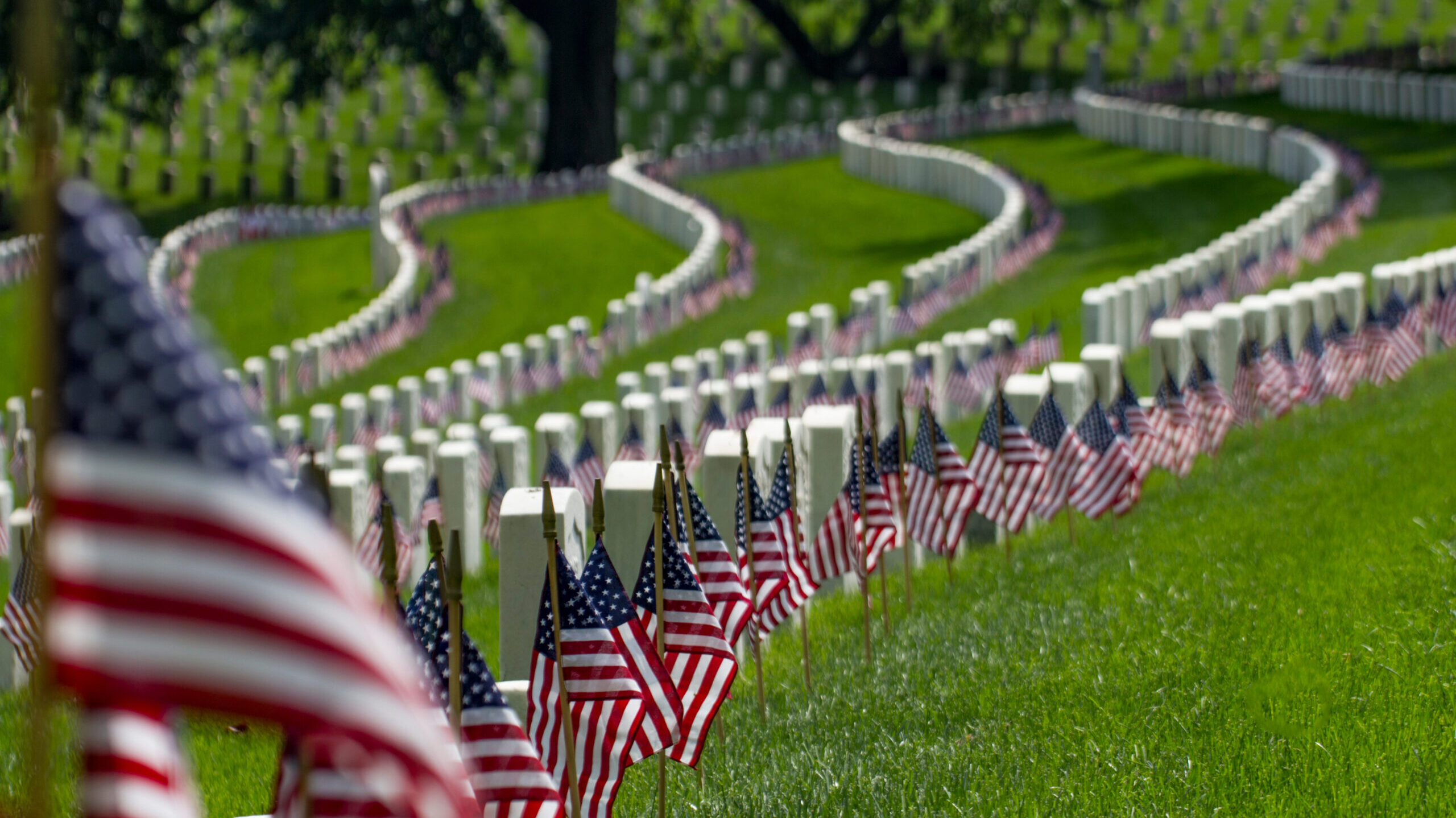
In muddy fields, shattered cities, military cemeteries, hospital wards and homes forever marked by absence.
Some wars must be fought. History leaves little doubt about that. There are evils that cannot simply be negotiated away, and there are moments when freedom survives only because ordinary men and women accept extraordinary sacrifice.
And yet honoring sacrifice should never require glorifying war itself.
Not every war has been wise. Not every conflict has been just.
Nations may debate the wisdom of wars for generations, but the young Americans who answered their country’s call did not carry the burden of deciding national policy.
They carried the burden of service.
And many carried it all the way to the grave.
Because wars consume not only treasure but human lives, the Founders believed the decision to wage them should never rest easily in the hands of one person.
That is why the Constitution placed the authority to declare war in the hands of Congress, the branch closest to the people asked to bear its cost.
In matters so grave, the framers believed wisdom was best found in the deliberation of many rather than the passions of one.
The dead never come home.
They never hold grandchildren. They never grow old beside the people they loved. They never sit quietly on porches telling stories about the wars they survived.
Because they did not survive them.
Parents grow older. Friends move on. Nations continue forward.
But the fallen remain forever young in the nation’s memory.
Few Americans understood this better than Dwight D. Eisenhower, who once said, “I hate war as only a soldier who has lived it can, only as one who has seen its brutality, its futility, its stupidity.”
Those who witness war most closely are often the least eager to romanticize it.
They understand that peace is fragile and that civilized nations should never become too comfortable with war.
The dead ask very little of us.
Only that we remember them honestly.
Not as symbols. Not as slogans. But as young Americans who gave all their tomorrows to a country they believed was worth serving.