

























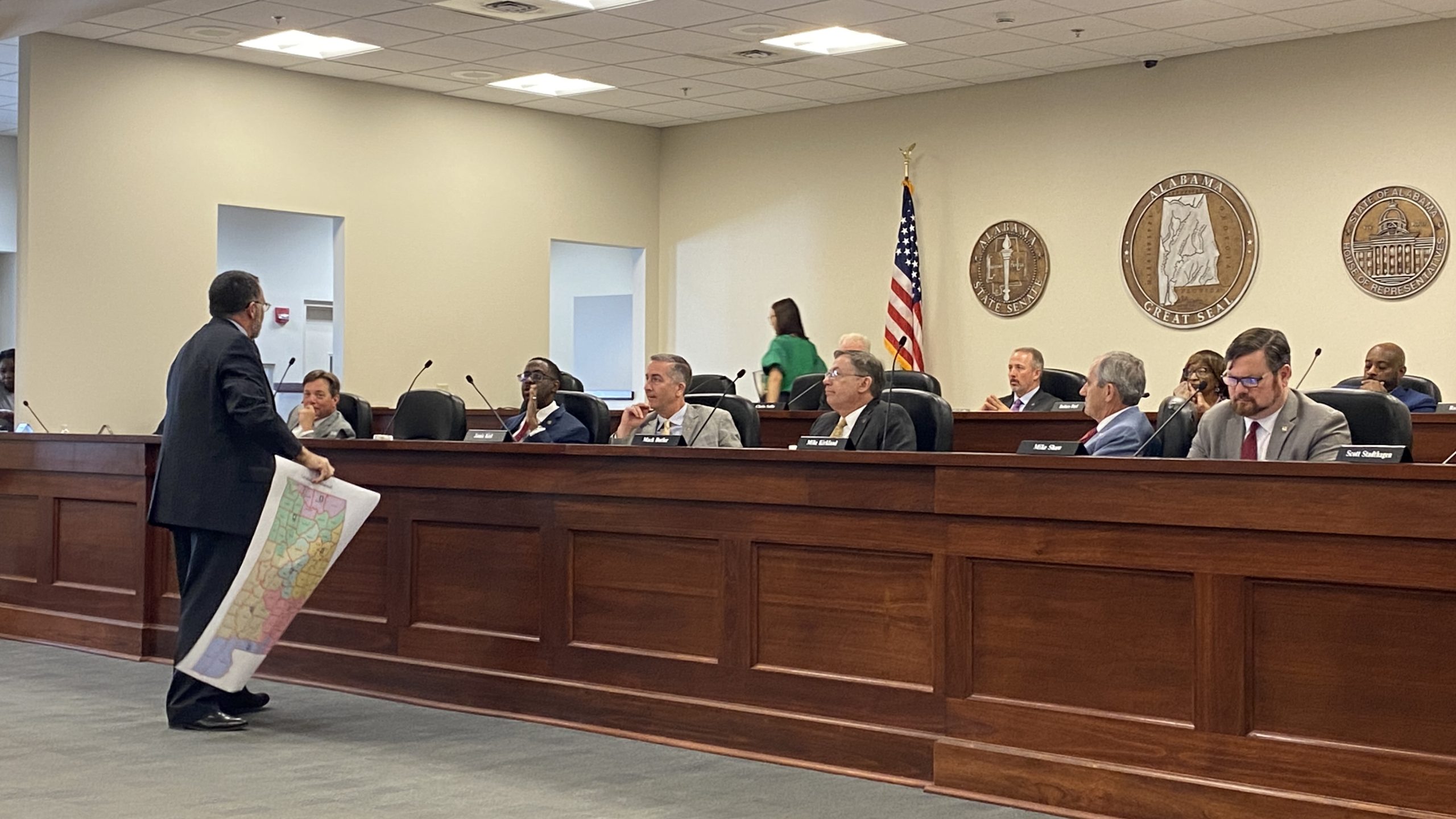
A lot of people—both residents and lawmakers—let House Pro Ten Chris Pringle, R-Mobile, know Tuesday exactly how they feel about his bill creating a framework to use previous Congressional districts that have been ruled racially discriminatory.
Democrats on the committee pressed Pringle about the need to bring legislation that would trigger a new one-time special election if Republicans can successfully revert to its previously drawn maps—maps that a federal court enjoined because they diluted Black voting power.
Pringle argued that the new ruling in Callais could provide a new legal interpretation of the Voting Rights Act that would allow the state to use those maps, and that it wasn’t his place to decide that matter.
“This is what the attorneys are going to argue before the court; this is the reason we have a court system,” Pringle said “The attorneys will go argue these issues before the court. I’m not here to argue legal issues; I’m here for nothing but. bill that allows a special election.”
“I think what this bill does is allow for a map that was deemed racist and unconstitutional to all of a sudden become the law,” responded Rep. Napoleon Bracy, D-Prichard. “This bill opens up a door that was clearly told to us that it was not fitting for us, that it was not representative of Alabama and not representing the Voting Rights Act.”
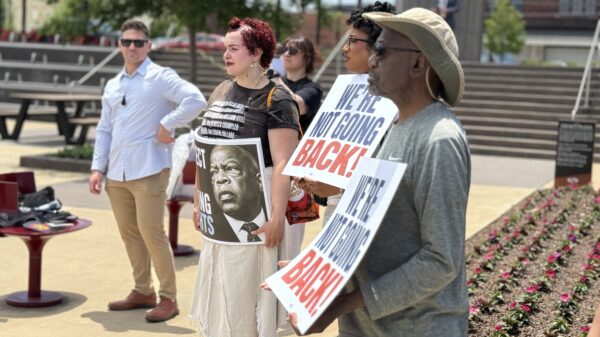
Speakers at a public hearing also let their voices be heard directly to lawmakers after protests outside the statehouse the day before.
“I am from Barbour County, Alabama, a small county where the Black vote has always been politically suppressed,” said Eliza Jane Franklin. “This did not just start today; this goes all the way back o the 1874 Eufaula election massacre. And I stand before you as the second Black woman in the doctoral history program at Auburn University—and that matters because even in spaces where history is studied, where it is written, where it is taught, we are still underrepresented. We are still fighting to be present, to be heard and to tell our stories. So I know this is history, and I’m living it at the same time.”
The Republican supermajority on the committee quickly passed the bill after allowing the comment time while the Senate passed an equivalent bill in the upper chamber.
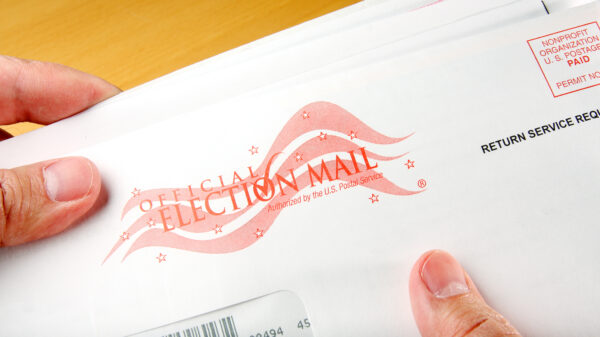
The bill would provide for a one-time special election to elect representatives based on the former district maps if the federal courts allow based on the recent U.S. Supreme Court decision. The results of the May 19 primaries for those districts would be nullified, and the new primaries would be winner-take-all with no opportunity of a runoff as lawmakers seek to squeeze in new candidates before the midterms in November.