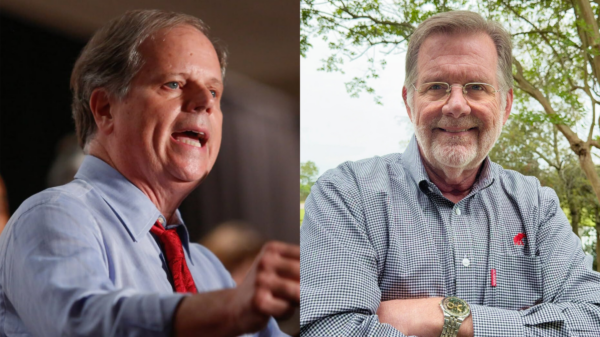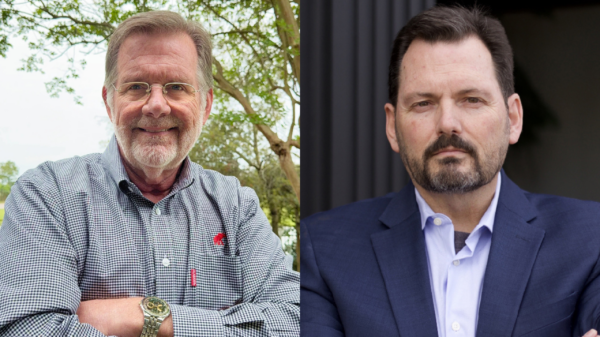



















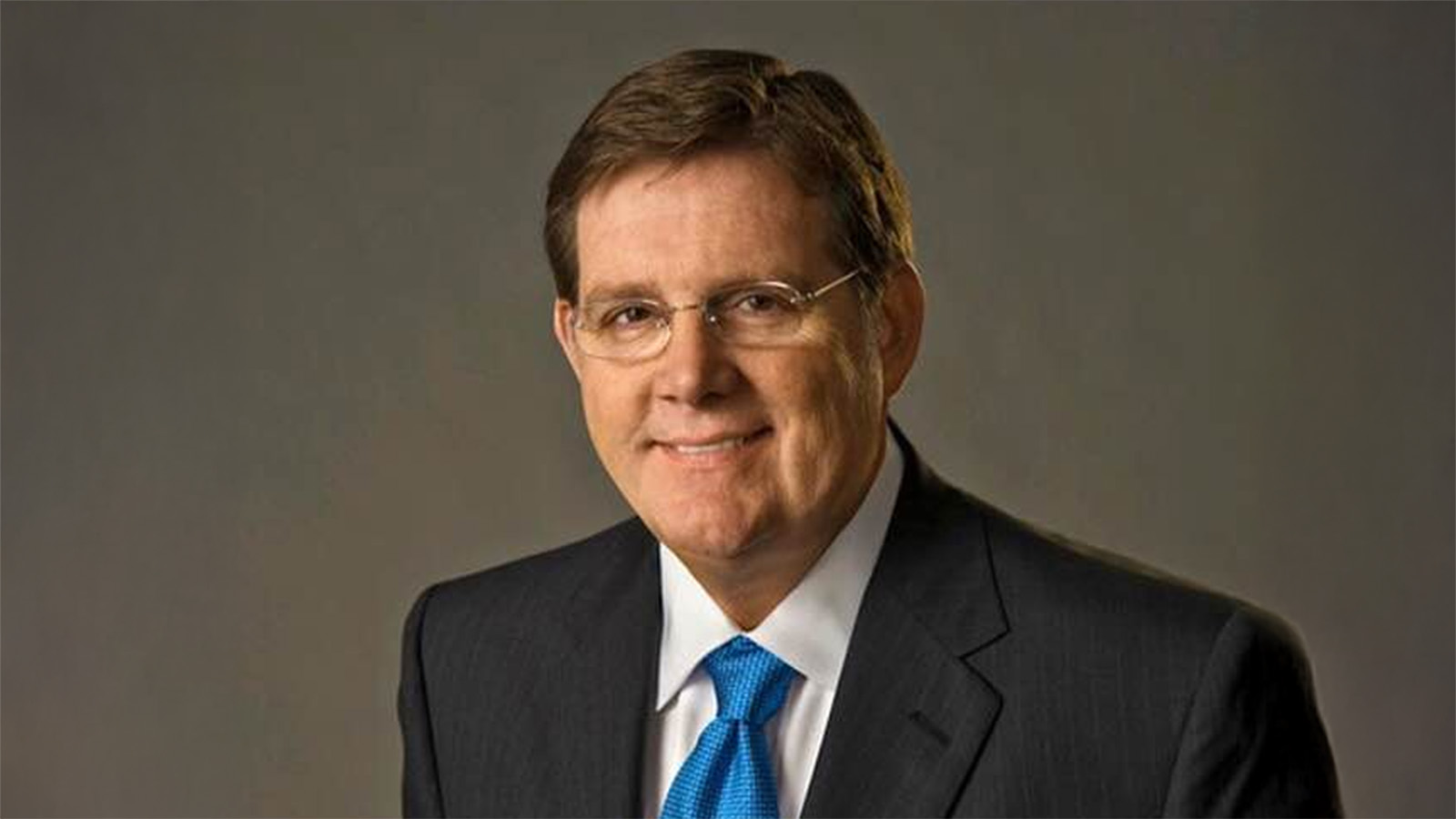
As the primary election approaches, former Commissioner of Agriculture and Industries Ron Sparks says he is relying on his experience and a policy-focused message as he seeks a return to the statewide office he previously held for two terms.
“I’m burning these roads up,” said Sparks. “We’re out there. We’re talking to people.”
Sparks said the campaign landscape has changed significantly since he last ran for the office. Fundraising has become more intense and more expensive and social media plays a more important role. He acknowledged running against opponents with substantial financial backing, including candidates willing to invest large amounts of their own money.
“It’s harder now than it was,” said Sparks. “But if you’re not willing to raise money, you’re not going to get your message out.”
He estimated his campaign has raised between $85,000 and $95,000 since beginning fundraising in mid-January, largely from individual contributors rather than lobbyists or major industry groups. While other statewide candidates are already flooding the airwaves with ads, Sparks said he is focused on direct voter contact and policy discussions.
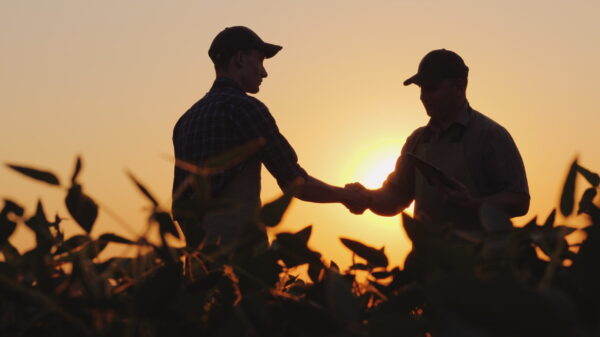
At the center of his campaign is what Sparks describes as an urgent need to support Alabama farmers and protect consumers. Sparks argues that rising input costs, things like diesel fuel, fertilizer and replacement parts, are squeezing producers across the state. He said some farmers have told him they are unsure whether they can afford to plant again next year.
“Everything they touch is going up. I’ve had farmers tell me they can’t get a pencil to work out on it,” said Sparks.
He is proposing eliminating the state’s 1.5 percent sales tax on farm equipment, a move he said could return tens of millions of dollars annually to farmers’ pockets. Tennessee passed a similar exemption that took effect in the beginning of 2023. Mississippi considered the proposal during their 2026 legislative session, but it died after passing the Senate.
Sparks also criticized what he sees as a weakening of the Agriculture Department’s enforcement efforts in recent years, including the removal of its law enforcement division. During Sparks tenure, he said, the department pursued stolen livestock cases, investigated dogfighting and puppy mills, monitored fuel pump accuracy and took an aggressive approach to food safety.
Experience remains a central theme of his campaign. Sparks frequently compares the choice to selecting a surgeon, arguing that voters should prefer someone who has already done the job.
“I’ve been there,” said Sparks. “They can’t find one thing that we did wrong.”
Sparks received recognition from agricultural organizations across the state during his previous tenure and highlighted his working relationship with former Gov. Bob Riley, a Republican. Sparks said he regularly briefed Riley on agricultural issues during times of crisis and said that the office should not be driven by party affiliation.
“I never made a decision in that office based on my party. Anybody that does, doesn’t need to be there,” said Sparks.
Sparks also expressed frustration with the tone of modern political advertising, saying many campaign commercials focus on labels rather than policy. He said he has been called “radical” and “woke” in ads but believes voters are more interested in practical solutions than partisan attacks.
“I haven’t heard a word about what they’re going to do for the people of Alabama,” Sparks said. “What are we going to do to help farmers? What are we going to do to make healthcare better?”
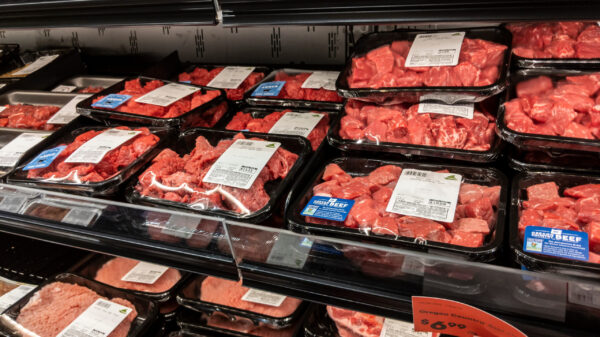
He said many voters are focused on everyday concerns such as rising grocery bills, mortgage payments and access to local hospitals, rather than political rhetoric.
“Most people are trying to feed their family and put fuel in their car,” said Sparks. “They don’t live in this political bubble.”
Sparks said he has addressed Democratic, Republican and independent audiences across the state and attends many forums where candidates from both parties appear together. With a large share of voters still undecided, he believes his name recognition and grassroots campaign could make the difference.
“I’m going back for a reason,” said Sparks. “That’s to help my farmers and to help the consumers of Alabama.”