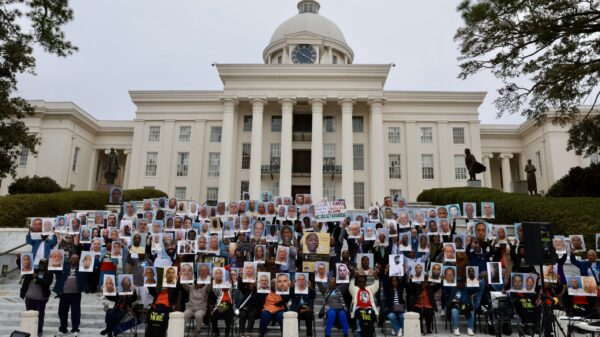

























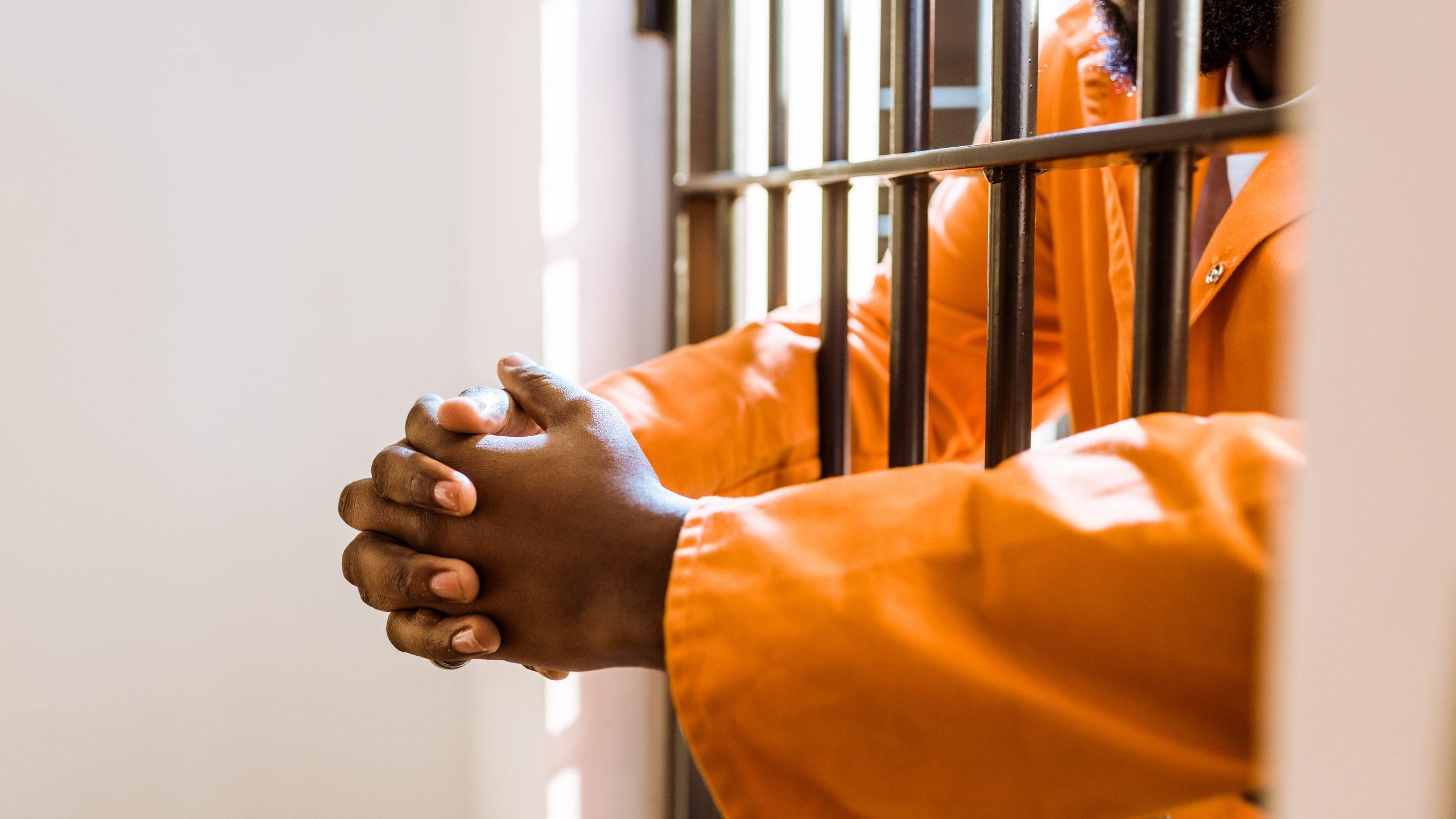
A report this week by the Alabama Appleseed Center for Law and Justice in Montgomery found that incarcerated Black people in the state are being murdered at just more than three times the rate of white people.
Between 2014 and 2020, the Montgomery-based nonprofit found that 37 of the 48 men killed by homicide in Alabama prisons were black. Appleseed documented 89 preventable deaths from homicide, suicide or drug overdose during that time.
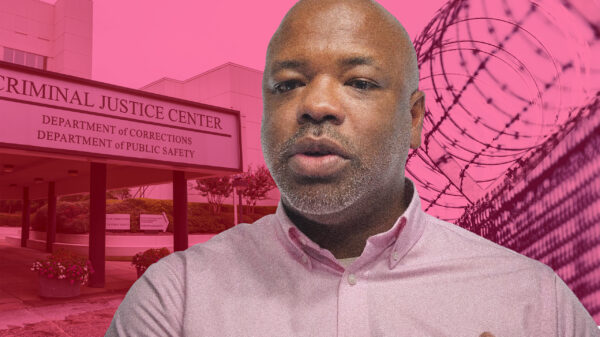
“So when we talk about preventable violence, when we talk about, unconstitutional conditions in our prisons. It’s hurting black Alabamians at much higher rates than anybody else,” said Carla Crowder, Appleseed’s executive director, speaking to APR on Thursday. “If we’re gonna be serious about racial justice, racial disparities in the criminal legal system, in the state, we have to look beyond police brutality.”
Crowder said police brutality is a serious issue but the injustices after incarceration are “two sides of the same coin.” The report notes a 2019 report by the U.S. Department of Justice that details widespread problems of violence and sexual abuse, corruption and drug use in Alabama’s prisons for men.
The DOJ report notes that ADOC “has violated and is continuing to violate the Eighth Amendment rights of prisoners housed in men’s prisons by failing to protect them from prisoner-on-prisoner violence, prisoner-on-prisoner sexual abuse, and by failing to provide safe conditions…”
“One year after the 2019 Department of Justice report detailed the need for immediate action to prevent more deaths, nothing has changed,” the Appleseed report reads. “In fact, 2020 is on pace to be one of the most deadly years on record in Alabama prisons, with deaths by homicide between January and July at 10 compared to seven for the same time period in 2019.”
The Appleseed report also notes that homicides are likely higher than ADOC’s count. The DOJ report states that ADOC mischaracterized at least three deaths that had all the signs of homicide. “These unreported homicides provide reasonable cause to believe that ADOC’s homicide rate is higher than what ADOC has publicly reported,” the DOJ report reads.
Gov. Kay Ivey and Alabama Department of Corrections Commissioner Jeff Dunn are moving forward with plans to lease three new mega prisons from private companies, once built, and have said the new prisons will help solve the high levels of violence in state prisons, arguing existing facilities are outdated and not designed to keep inmates and staff safe, as are modern prisons.
Crowder said over the years ADOC has made many promises aimed at curbing the violence but hasn’t delivered on those promises.
“There’s been a number of steps that ADOC promised to take,” Crowder said. “We’re going to hire more officers, we’re gonna pay them more. We’re going to do these massive shakedowns in prisons and we’re gonna get all the weapons.”
Court records show that ADOC is well behind court-ordered correctional officer hiring targets, and while ADOC does conduct random prison raids to collect weapons and contraband, such illicit contraband often finds its way back into prisons in short order.
“These have all been empty promises. Nothing has changed, and to think that new buildings are somehow going to fix decades of corruption and dysfunction,” Crowder said. “The buildings aren’t killing anybody.”
“We cannot continue down the path of building new prisons and expect them to somehow not be filled with the same systemic violence and racial disparities we have seen over the past five years in Alabama prisons,” said Hannah Krawczyk, an Auburn University Public Administration student and Appleseed intern who conducted research for the report, in a statement. “The cycle of human rights violations and violence that are inflicted on incarcerated individuals in this state cannot continue. As my generation learns about this crisis, we are determined to fight for change and end Alabama’s historic disregard for Black lives in the justice system.”