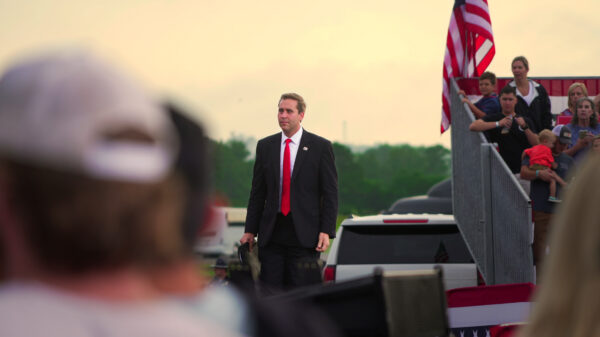

















The Republican primary for Alabama attorney general is becoming one of the most expensive and bitter intraparty fights in recent Alabama political history.
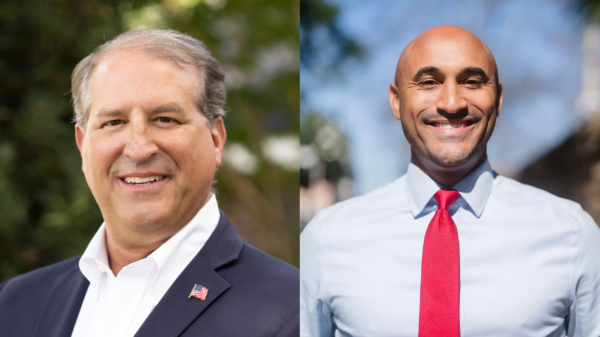
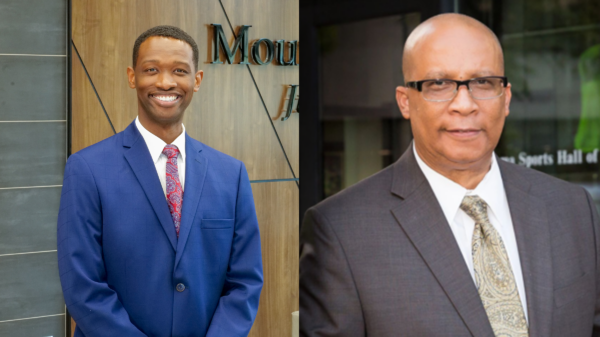
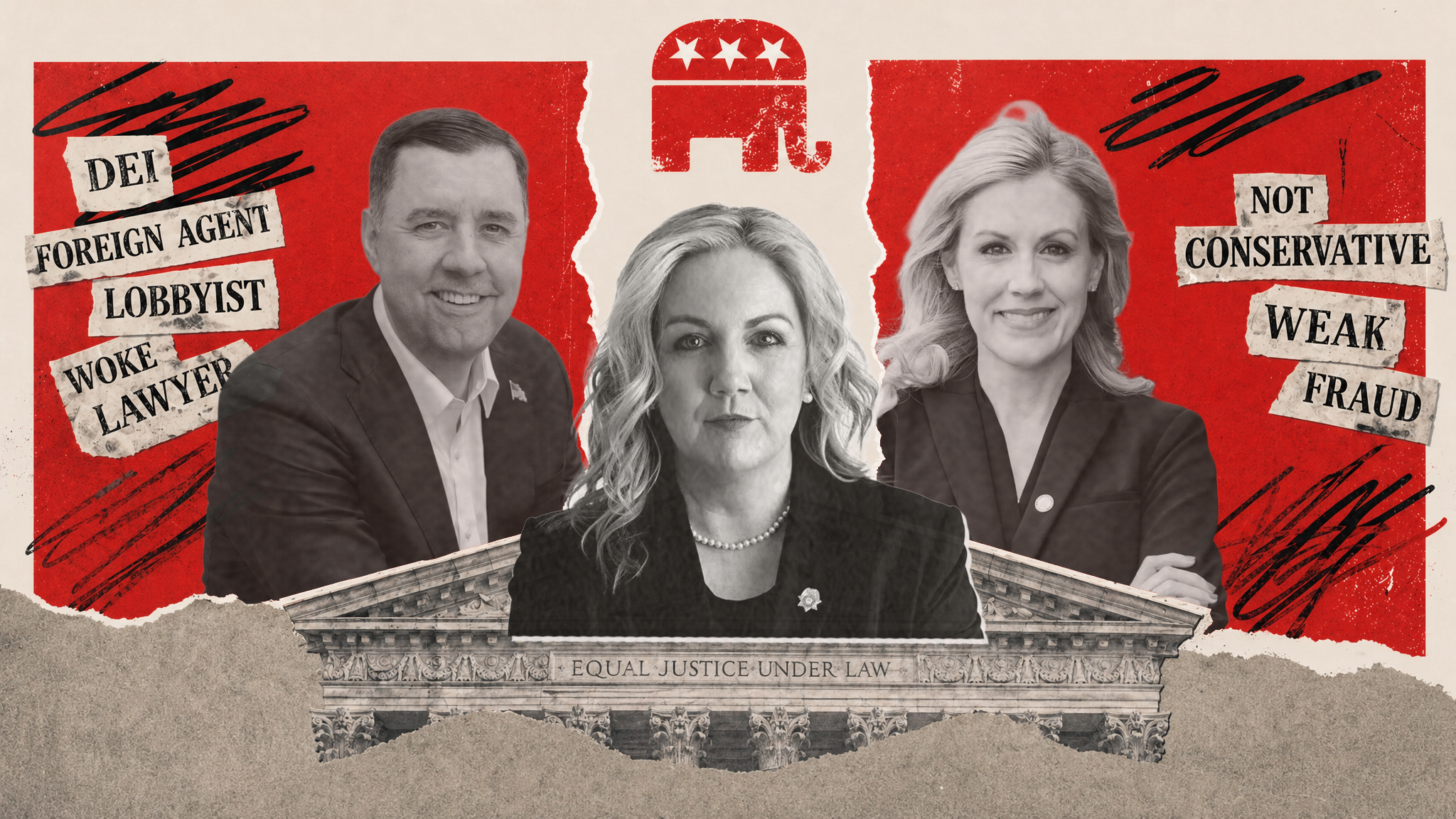
Republican candidates Jay Mitchell and Katherine Robertson are now openly attacking each other’s conservative credentials, honesty, political loyalties and fitness for office in a campaign increasingly dominated by accusations involving DEI, foreign lobbying, Islam, Hillary Clinton and “weak frauds.”
And yet, despite months of attacks and millions of dollars in spending, recent polling shows roughly 59 percent of Republican voters still remain undecided. That uncertainty may be the most important development in the race.
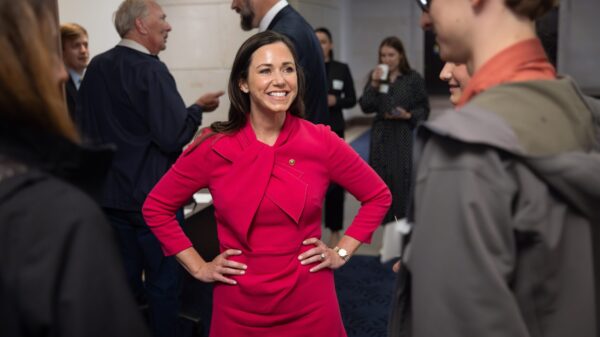
While Mitchell and Robertson escalate their attacks, fellow Republican candidate and Blount County District Attorney Pamela Casey is running in a markedly different lane. Rather than joining the increasingly personal warfare, Casey has centered her campaign on prosecution, public safety and her courtroom record — a strategy that may prove significant in a race where most Republican voters still appear unconvinced by either frontrunner.
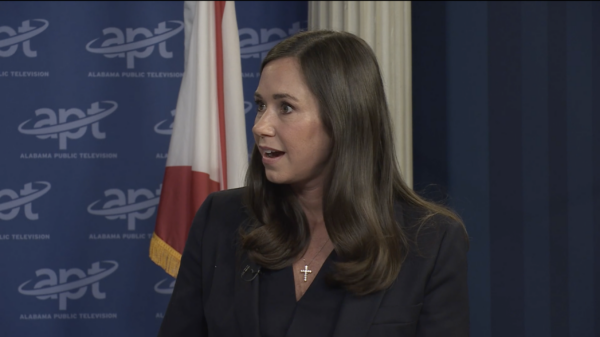
The latest escalation came Tuesday when Robertson released a new television ad directly targeting Mitchell’s conservative credentials and his recent efforts to portray himself as a hardline Trump-aligned conservative.
“Jay Mitchell says he’s Trump tough. Who’s he kidding?” the ad states.
The ad accuses Mitchell of previously working at “a woke law firm that promoted DEI” before escalating further.
“He was a registered foreign agent for Uzbekistan and personally lobbied Hillary Clinton’s office,” the narrator says.
The ad then delivers its sharpest attack.
“Woke lawyer, lobbyist for a Muslim country. That’s not Trump tough, that’s a weak fraud.”
The ad closes by contrasting Mitchell with Robertson.
“Alabama needs a real conservative. Katherine Robertson, endorsed by law enforcement, standing with President Trump from day one.”
The attack represented a major escalation in tone and substance, directly questioning Mitchell’s authenticity as a conservative candidate while tying him to issues highly charged within Republican primary politics.
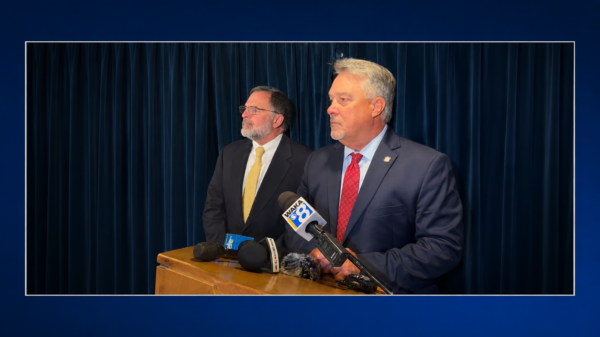
Mitchell responded just hours later with a sharply worded press release accusing Robertson of deliberately distorting his past legal work and falsely portraying him as supportive of Uzbekistan’s authoritarian government.
“Robertson falsely paints Jay Mitchell as a pro-Islamic lobbyist for then-dictator President Islam Karimov,” the release states. “The exact opposite is true.”
According to Mitchell’s campaign, his involvement in the matter centered on assisting Sanjar Umarov, a pro-democracy reformer and political opposition leader imprisoned by Karimov’s regime.
The campaign said Mitchell worked on the matter pro bono and helped facilitate congressional support for a resolution demanding humane treatment for Umarov.
“Jay Mitchell fought President Islam Karimov head-on,” the campaign said.
Mitchell himself framed the controversy as proof of his willingness to fight authoritarian regimes.
“If you want to know why I am so passionate about protecting Alabama from Anti-American agendas, look no further than the Umarov case,” Mitchell said. “I took on a barbaric Muslim tyrant to protect an innocent political prisoner and won.”
Mitchell also accused Robertson of dishonesty and desperation.
“Perhaps I shouldn’t be, but I continue to be surprised by Katherine Robertson’s willingness to lie outright,” Mitchell said. “This latest smear attempt is indefensible—conduct unbecoming of someone seeking the office of Attorney General.”
Mitchell and Robertson have raised and spent millions of dollars in what has become one of the most expensive Republican primaries in Alabama this election cycle.
Casey, by contrast, has built her campaign around a grassroots effort centered on her experience as a prosecutor rather than expensive media warfare.
APR reached out to Casey for her opinion on the increasingly hostile exchanges between Mitchell and Robertson. In her response, Casey did not directly weigh in on the intraparty fight itself, instead outlining the strategy and focus of her campaign.
“While others are busy taking shots at each other, I’m doing what I’ve always done—fighting crime and protecting our families and children as District Attorney,” Casey said.
“This campaign ought to be about who’s ready to do the job of Attorney General,” she continued. “I am—and I’m running on my record not playing political games.”
Alabama political history suggests prolonged intraparty warfare can produce unpredictable outcomes.
In 2010, Bradley Byrne and Tim James spent months attacking one another in a deeply ideological Republican governor’s race, allowing Robert Bentley to emerge as the quieter outsider alternative for many GOP voters.
Bentley would later leave office in disgrace, but his initial victory demonstrated a recurring truth in Alabama politics: candidates consumed by attacking one another can create openings for someone running outside the conflict.
A similar dynamic emerged during the 2017 Republican Senate primary between Luther Strange, Mo Brooks and Roy Moore. The race became consumed by ideological warfare and outsider-versus-establishment politics. Moore ultimately captured the nomination, but the bruising Republican primary and controversies that followed helped create one of the biggest political upsets in modern Alabama history when Democrat Doug Jones won the Senate seat in the general election.