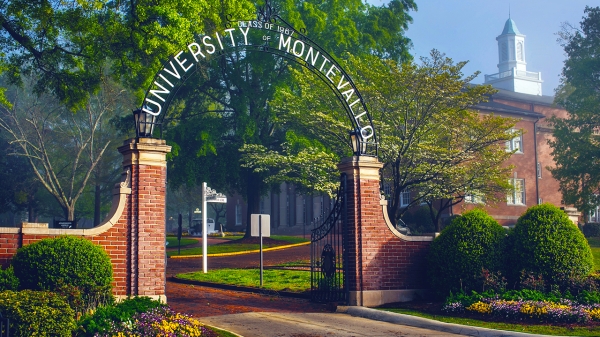




















The Foundation for Individual Rights and Expression is “exploring” options to push the University of Alabama to reopen two student publications it shuttered last week.
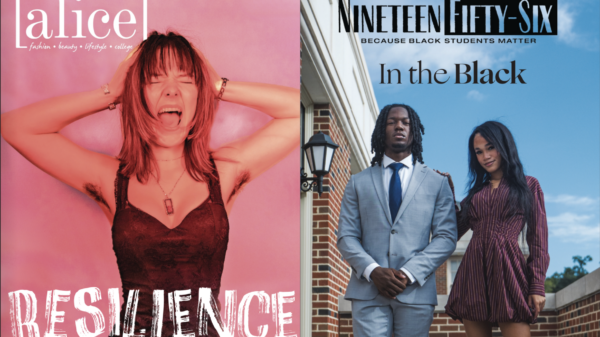
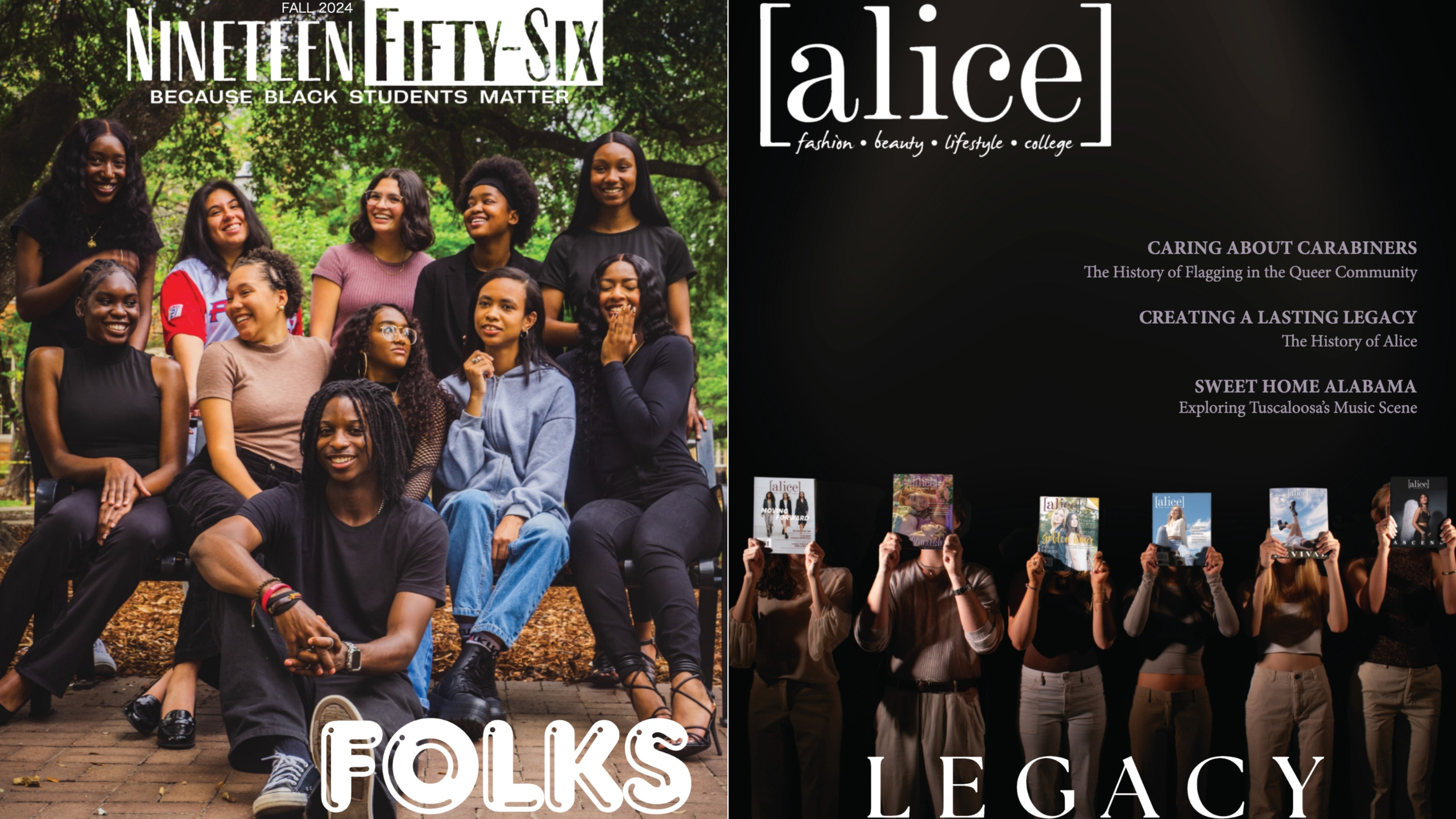
Founded in 2020, Nineteen Fifty-Six was a biannual student-run magazine “focused on Black culture, Black excellence, and Black student experiences at The University of Alabama.” The publication was named after the year the first Black student to attend UA, Autherine Lucy Foster, enrolled in the university.
Alice was a lifestyle, fashion and wellness magazine that produced content primarily targeted toward university women since its launch in 2015.
Both publications were suspended by UA last Monday on the grounds that they engaged in “unlawful proxy discrimination” and violated “best practices” set forth in a July memo released by U.S. Attorney General Pam Bondi.
FIRE responded with a letter last week strongly condemning the university’s termination of student publications. The document highlighted that the cited U.S. Department of Justice memo was not legally binding, citing numerous court precedents that FIRE argued the terminations violated and called for the publications’ immediate reinstatement.
The university issued a response to FIRE’s letter on Wednesday, dismissing the organization’s assertion that the university, by suspending the publications, violated the editorial independence of its student publications and the First Amendment.
As of Thursday, both publications remain closed, and the university has announced no plans to reinstate the magazines.
Marie McMullan, student press counsel for FIRE, told APR that her organization is currently considering additional actions to advocate for the publications’ reopening, following the university’s response.
“We are weighing our options and our ability to be further involved,” McMullan said.
“Unfortunately, [UA’s response] ignores our substantive concerns about closing down the magazines and it proffers an argument that creating a more general magazine and shutting down these two magazines, will create more opportunities, even though it appears that two magazines merged into one will slash editorial staff in half,” McMullan said.
UA Chief University Counsel Robin H. Jones, in the university’s response to FIRE, denied that the closures constituted an attempt to censor or control the content of student publications, writing that UA “has a long-standing commitment to protect the First Amendment rights of all members of our campus community.”
Jones expressed the university’s “disappointment” in FIRE’s letter of condemnation, adding that UA has “enjoyed a productive relationship with FIRE for several years, frequently collaborating closely on issues aimed at preserving and expanding campus opportunities for expression.” Jones went on to describe the letter “as the latest example of FIRE unnecessarily undermining its credibility.”
“All publications within our student media are supported through the University, but UA has no editorial influence on those publications. The students have exercised—and will continue to exercise—full editorial autonomy regarding content,” the UA official stated.
“Contrary to the assumptions made in your correspondence, no one can credibly claim that the University has censored, controlled, quashed, edited, or otherwise diluted the editorial independence of student journalists to publish whatever content or viewpoint they wish to include in UA student media,” UA’s document continued.
The university counsel also highlighted UA’s plan to establish a new student publication “that will include a wider variety of topics,” arguing the decision will expand opportunities available for students through university publications.
“In short, UA’s recent action effectively provides opportunities for more students to share more content, subject matters, and viewpoints that may be of interest to more students,” Jones wrote. “Far from limiting speech, funding a magazine that has a broader impact and is more welcoming to all members of the campus community is consistent with free speech values and UA’s core mission of providing quality educational opportunities for all of our students.”
McMullan, however, pushed back against UA’s claim that either of the closed publications were guilty of discriminatory practices solely because they produced content geared toward particular audiences.
“Every magazine, every outlet, has a target audience, and to collect the viewpoints that you disseminate and bring in a target audience is part of the editorial freedoms that student journalists should have, and are promised at the University of Alabama,” she said.
“Protecting these publications’ editorial independence protects the breeding ground of journalism at large,” McMullan added. “These outlets are where these students are beginning their careers. It is where stories are being told about those on their campuses, and student journalists are the best situated to tell those stories and to create those perspectives.”
Citing reporting from UA’s student newspaper, The Crimson White, that both publications “had hired staff who are not part of their target audiences,” McMullan argued that the university has presented no substantive evidence that the magazines engaged in exclusionary hiring practices or policies.
“All they’re pointing to is the content and the viewpoint, not any tangible practice by either of these magazines,” she said. “Unless there is more to the story that the university has not shared, only pointing to the viewpoints and the content that’s being produced is not going to be enough to ground that decision.”
She added that FIRE believes legal precedent protects UA from any federal “scrutiny” or attempts to revoke university funding because of the publications’ content.
“Courts have also repeatedly held that student media does not speak for the university itself,” McMullan said. “Student media outlets, in other situations, have been separate from the university, such that the university hasn’t been held liable for the contents that have been produced or their actions.”
McMullan expressed support for efforts aimed at pushing UA to reinstate the publications and urged student journalists to contact FIRE’s 24/7 hotline if they feel their publications are “facing censorship efforts.”
“We want to know so that we can hit the ground running and help them in any way that is possible, whether that is advocating or getting them connected with legal services,” she said.
Alongside FIRE, the publication closures have been condemned by the Student Press Law Center, The Crimson White editorial board and a group of 80 UA student press alumni.
An online petition to reinstate the magazines has received more than 2,900 signatures.
Alumni student journalists also launched a fundraiser earlier this week to support the publication of two additional issues of the magazines, which has since outperformed its original fundraising goal of $25,000.