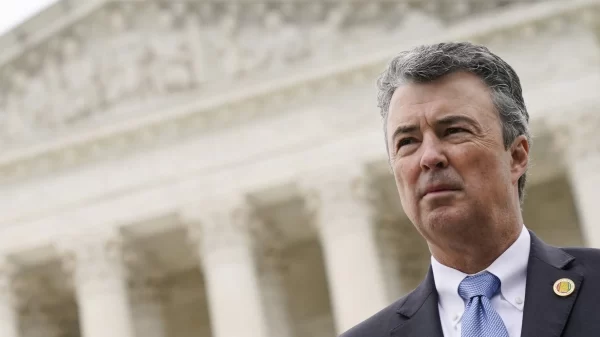




























Alabama Attorney General Steve Marshall announced Monday that the Cullman County Circuit Court granted his request to temporarily shut down an Alabama medical spa.
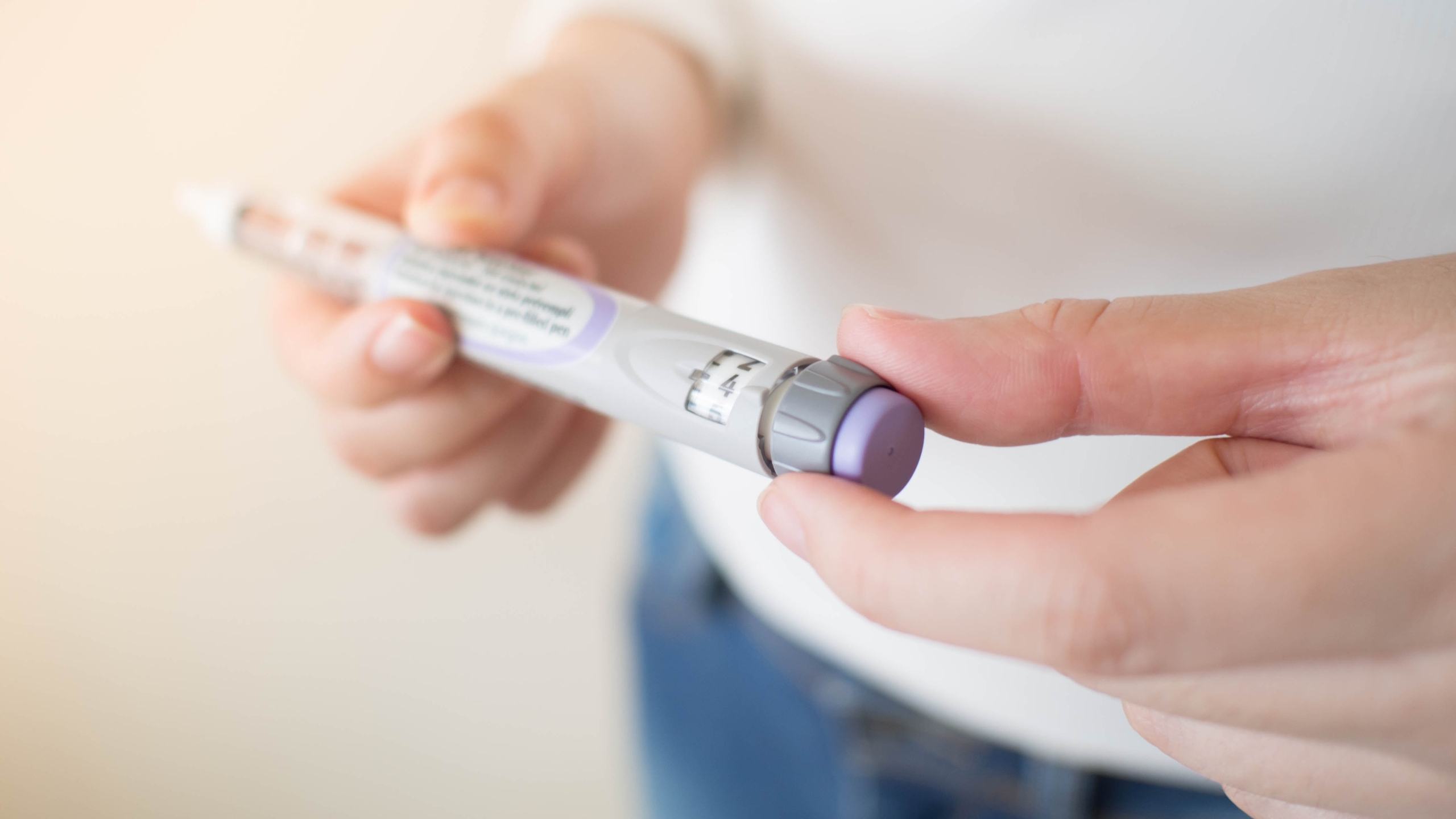
The attorney general has filed a suit alleging Aurora IV and Wellness, an IV-infusion clinic in Cullman, illegally administered versions of GLP-1 weight loss drugs, tirzepatide and semaglutide, that were not intended for human consumption without their patients’ knowledge or consent.
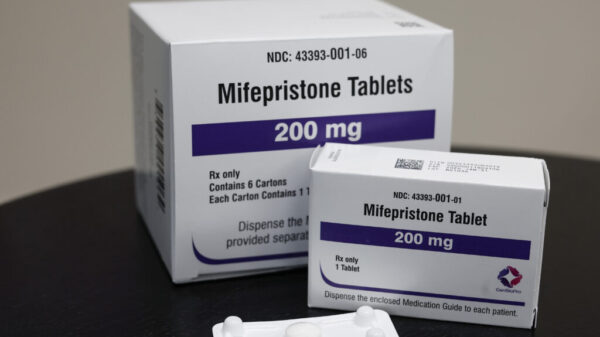
Marshall claims the clinic violated Alabama’s Deceptive Trade Practices Act by advertising its weight loss compounds as “pharmaceutical-grade,” while administering versions of the drugs intended for research purposes only, which the FDA has warned against for human use.
“Patients who relied on this clinic were unknowingly injected with substances labeled strictly for research use, materials federal regulators have explicitly warned are risky for human use. This kind of reckless disregard for patient safety will not be tolerated in Alabama,” Marshall said.
Cullman County Circuit Court Judge Greg Nicholas granted Marshall’s request for a temporary restraining order against Aurora IV and Wellness last Thursday. The order temporarily closed the business until a court can review the matter, and froze its proprietors’ assets.
Marshall has requested a preliminary injunction against the defendants to extend the provisions of the restraining order until the case is resolved.
Marshall’s office pointed to an announcement last week that the Trump administration struck a deal with drug manufacturers Eli Lilly and Novo Nordisk to lower the price of their popular GLP-1 medications for certain Medicare and Medicaid patients and individuals who use TrumpRx.gov, a direct-to-consumer prescription medication marketplace recently announced by the administration.
Eli Lilly produces tirzepatide sold under the brand names Zepbound and Mounjaro, while Novo Nordisk produces semaglutide under the brands names Ozempic and Wegovy.
Monthly out-of-pocket GLP-1 costs for eligible patients will be lowered to a range of $50 to $350 under the deal. Both drugmakers will receive three years of relief from pharmaceutical tariffs as part of the agreement.
“President Trump took decisive action to make GLP-1 weight-loss medications affordable and accessible to all Americans, ensuring that when prescribed responsibly and administered appropriately, these drugs can be an invaluable resource,” the attorney general said. “By contrast, exploiting that demand by misrepresenting unapproved, research-only chemicals as legitimate medicine is one of the most dangerous forms of consumer deception imaginable.”
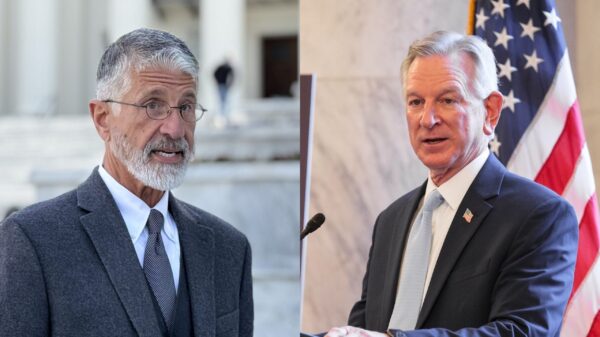
Morris Haynes Attorneys at Law, a firm representing Aurora patients alleged on Monday that the clinic and its employees risked patients’ health by providing non-FDA approved “gray market” weight loss injections.
“Clients were injured when the unapproved experimental chemicals were used in place of FDA-approved weight loss injections,” the firm wrote. “Clients were exposed to unknown health risks by the experimental drugs and suffered physical injuries and emotional distress from these ‘gray market’ chemicals.”
“This is one of the worst cases I have seen,” said Morris Haynes attorney Jeremy Knowles. “Aurora told its clients they would receive FDA-approved medication but instead administered chemicals to our clients that are not approved for any human or even animal use. We pray our clients suffer no long-term side effects.”
Marshall’s announcement follows a slew of legal debates and scrutiny surrounding GLP-1 regulations.
As GLP-1s have surged in popularity over recent years, legal battles have emerged between pharmaceutical companies, telehealth providers, med spas and licensed compounding pharmacies related to how the drugs may be produced and administered.
Non-FDA-approved, but legal, copies of FDA-approved GLP-1 brands, produced by licensed compounding pharmacies, were made legally available to patients due to a shortage of the medications in 2022, which lasted until 2024. Customized compounded GLP-1 formulations are still legally available to purchase for human use and are sold over multiple telehealth platforms.
Novo Nordisk and Eli Lilly have filed lawsuits against med spas, telehealth providers and licensed compounding pharmacies in attempts to impose stricter regulations on the sale of non-FDA-approved GLP-1 drugs.
Meanwhile, research-grade GLP-1s not intended for human use, such as the injections Marshall has alleged the Cullman med spa used, have been sold online for medical research on blood, urine or tissue samples.
The FDA, last year, issued a warning against patients using research-grade GLP-1s, and penned letters to two chemical supply companies warning that they were in violation of FDA guidelines by selling tirzepatide and “for research purposes,” while providing dosing instructions for human use.
Marshall’s complaint against the med spa alleges that the defendants began providing GLP-1s not approved for human patients as early as May 2025.
The attorney general’s office has created an online survey for Aurora IV and Wellness patients to report on their experiences at the clinic.
The attorney general thanked the Alabama Board of Nursing, the Alabama Board of Medical Examiners, the Cullman Police Department and the Winston County Sheriff’s Office for assistance in the investigation.
A hearing on Marshall’s request for a preliminary injunction is set for Nov. 13.