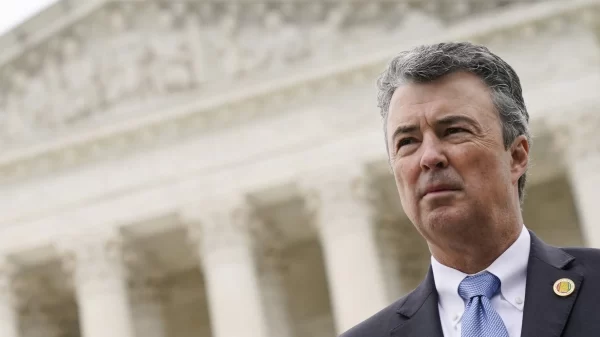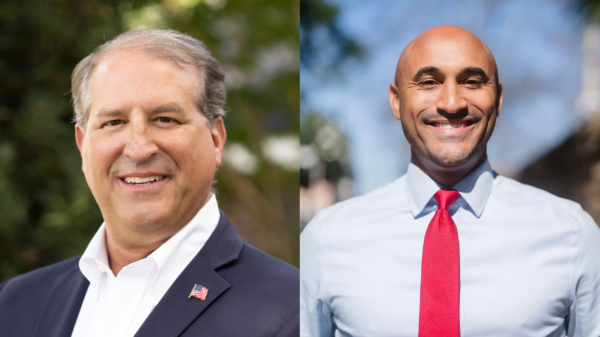
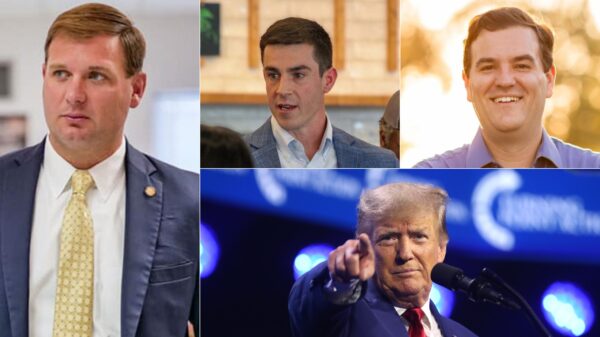

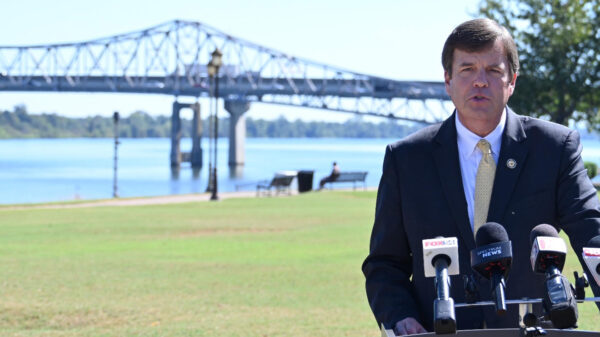



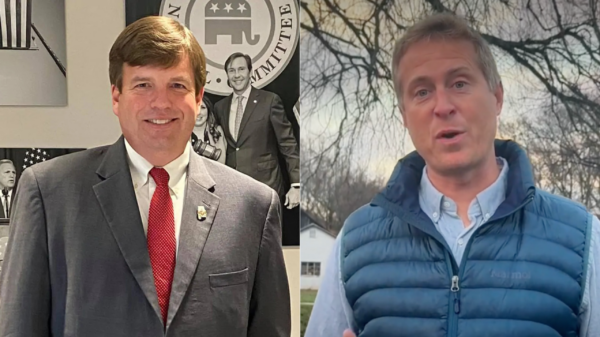

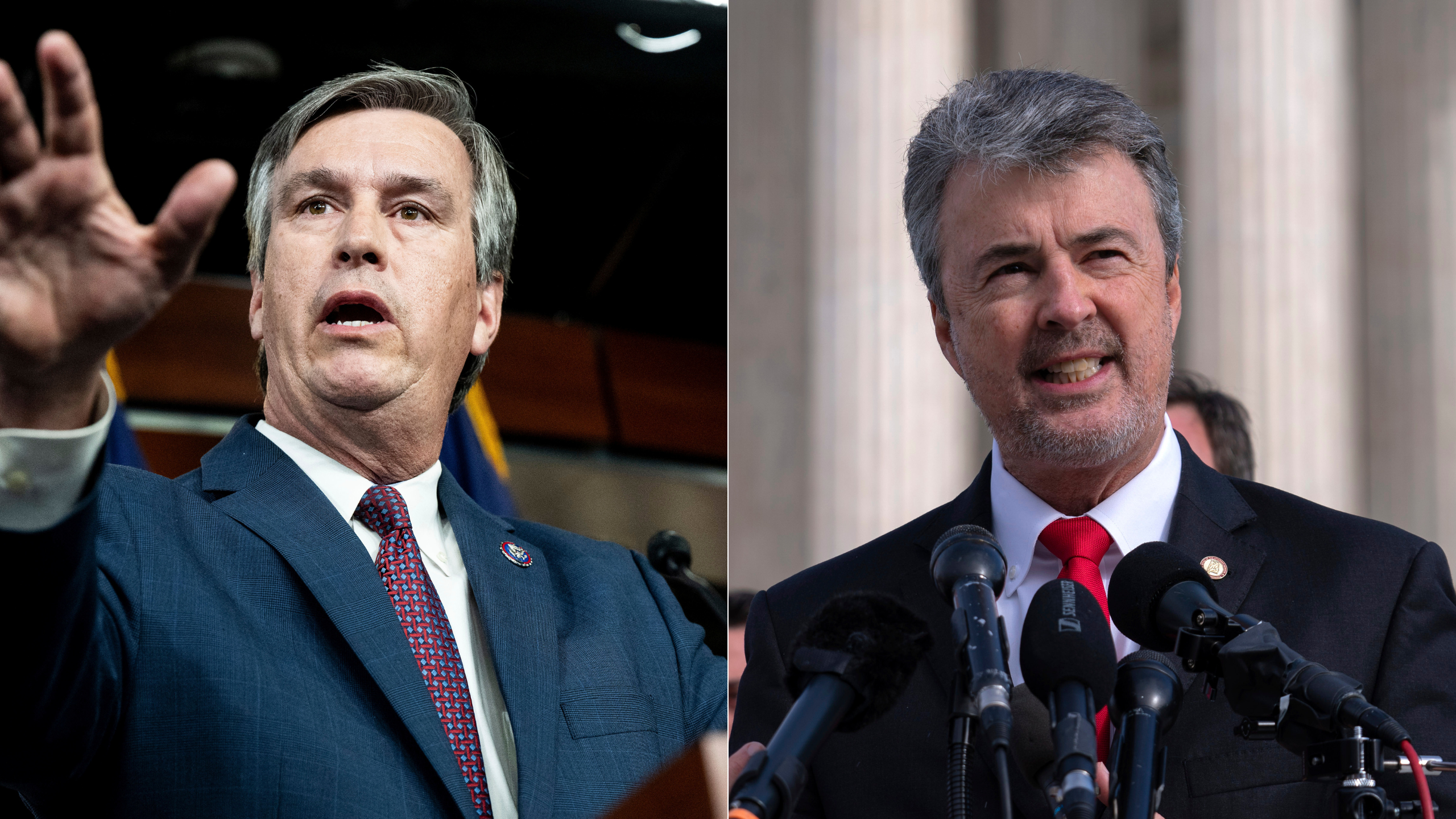
Quarterly campaign finance reports filed by candidates for Alabama’s open Senate seat on Wednesday show that Congressman Barry Moore significantly outraised and outspent Attorney General Steve Marshall during the first months of 2026.
Both candidates are running for the Senate seat that opened up when Senator Tommy Tuberville announced he would be running for governor. President Donald Trump publicly endorsed Moore’s campaign this past January.
Marshall’s quarterly report states that the current attorney general’s Senate campaign raised almost $180,000 in contributions between the start of the year and the last day of March, while spending roughly 40 percent more, or $252,818.32. Only just over $1,200 of the total funding was in “unitemized contributions,” a category that largely captures “small dollar” donations under $200.
Moore’s campaign, on the other hand, appears to have raised three-quarters of a million dollars in the same three months and spent around $800,000 during the same period. Unitemized contributions were also a much larger share of Moore’s contributions at $107,990.86.
In addition to receiving more unitemized contributions, Moore’s Senate campaign also received more transfers from other campaigns and political action committees. The Eye of the Tiger Political Action Committee, the PAC run by House Majority Leader Steve Scalise, R-Louisiana, donated $2,500, and Scalise’s campaign also transferred Moore’s $2,000.
The National Republican Senatorial Committee also made a major transfer to Moore’s campaign of $62,000. Senate Majority Leader John Thune, R-South Dakota, and NRSC chairman Tim Scott, R-South Carolina, officially endorsed Moore in late March.
Both campaigns ended the filing period with hundreds of thousands of dollars in cash on hand.
Jared Hudson, a relative political newcomer in the Senate primary who highlights his service as a Navy SEAL in campaign messaging, also raised almost $550,000 in the first three months of 2026. Around $90,000 of contributions to the Hudson campaign were unitemized. Hudson’s campaign did not report any contributions or transfers from other political campaigns or PACs. The Hudson campaign also spent less than Moore, just below $350,000.
A survey of likely Republican primary voters conducted in early March placed Moore in the lead with 22 percent, Marshall close behind with 16 percent, and Hudson in a comfortable third with 12 percent. However, 47 percent of respondents said they remained undecided about who to support in the upcoming primary.
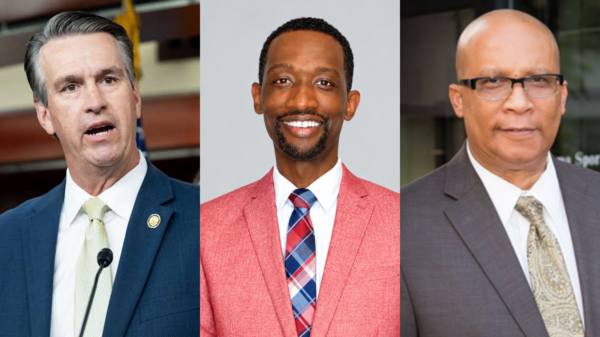
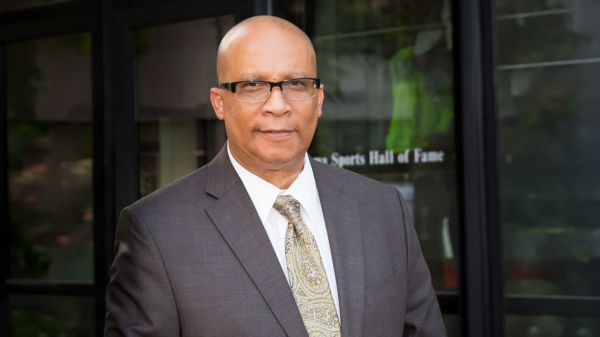
The candidates who will be seeking the Democratic nomination in the upcoming Senate race are Kyle Sweetser, Dakarai Larriett, Mark Wheeler and Everett Wess.
Both the Republican and Democratic primaries will be held on May 19 this year. If no candidate receives a majority of the votes cast in their primary and a runoff is needed, it will be held on June 16.