
















The Alabama Senate on Tuesday took up SB1 on the floor, as Democrats mounted a final effort to amend the bill before passage.
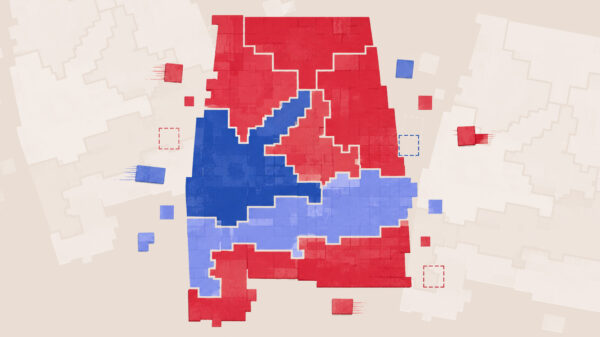
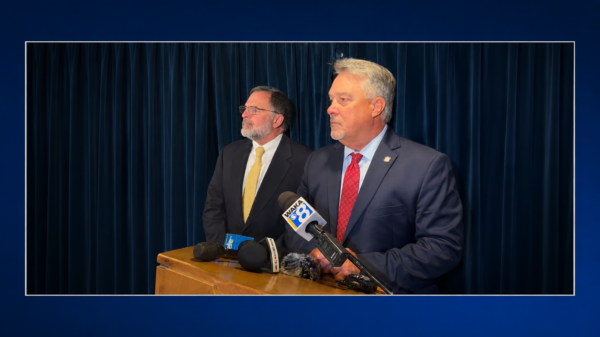
SB1, sponsored by Sen. Chris Elliott, R-Josephine, would allow new special primary elections in two state Senate districts if federal courts lift current injunctions on Alabama’s legislative maps.
Elliott described the measure as a contingency plan. Opponents argue it conflicts with a voter-approved constitutional amendment and risks disenfranchising voters in the middle of an election cycle.
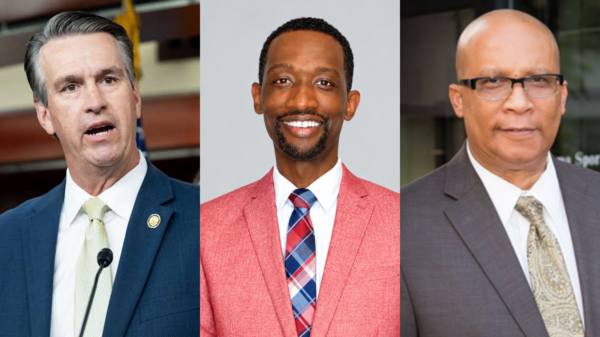
Sen. Merika Coleman, D-Pleasant Grove, opened her floor remarks by discussing Amendment 4, the 2022 constitutional amendment approved statewide that bars election-related legislation from taking effect within six months of a general election.
“This amendment requires any bill passed by the state legislature during an election year which affects how a general election is held must take effect at least six months before the general election,” said Coleman. “If someone’s voting poll is changed, that impacts the general election. If the representative that they’re voting for changes, that impacts the general election.”
Coleman stated that SB1 would have real-world consequences for voters who have already cast ballots, including military personnel voting absentee.
“These folks are going to be disenfranchised if this bill passes and the Supreme Court allows this to move forward,” said Coleman. “It impacts the general election.”
Coleman renewed an amendment first offered in committee that would change the word “shall” to “may” in the provision requiring the state to hold a new special primary election. She said the change would give officials discretion rather than impose a mandate.
“What my amendment does, it gives flexibility. It gives the state the ability to make the right decision. That’s all it does. It does not — it’s no longer a mandate of a special election. It gives the opportunity for whomever makes the call the discretion to make the right decision and adhere to the current court order,” said Coleman.
The amendment failed 26-8 along party lines.
Sen. Vivian Figures, D-Mobile, also brought back an amendment defeated in committee that would require expanded public notice of any election date or polling place changes. Before formally offering it, she delivered a defense of voter notification.
“Voting is one of the most basic constitutional rights in a democracy. Citizens cannot exercise that right if they do not know when the election is taking place, where to vote, what offices or issues are on the ballot, or what deadlines apply. Without proper notice, eligible voters can effectively be disenfranchised,” said Figures.
Her amendment required public notice to be posted in a manner “reasonably calculated to inform affected voters,” including publication on the Secretary of State’s website and notice of polling place changes at both old and new locations. It also failed 26-8 along party lines.
Sen. Kirk Hatcher, D-Montgomery, focused his amendment on restoring runoff elections if no candidate receives a majority in a special primary. Under SB1 as drafted, the top vote-getter would become the party nominee without a runoff due to timing constraints.
“With primary elections hardly two weeks away, how does this not create more uncertainty and confusion for Alabama voters?” said Hatcher. “How are we getting at the kind of democracy that we’d like to have if there is no runoff?”
Hatcher’s amendment also failed 26-8 along party lines.
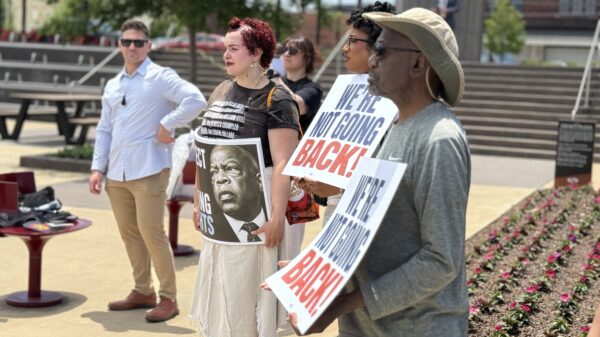
Sen. Rodger Smitherman, D-Birmingham, delivered remarks, placing the debate in historical context and addressing those watching from the gallery and protesting at the statehouse.
“When you live the life of being a Black person in this country and you have to go through so many steps in that mile, and so many attacks on just simple, decent liberties,” said Smitherman, “then yes, when there’s an effort, whether it’s intentionally or unintentionally, to take those opportunities … that’s why you see them out there.”
The debate was interrupted by fire alarms in the statehouse as inclement weather hit Montgomery. The building began flooding.
The bill passed 26-7 before legislators evacuated the building. The bill will now be considered by the House of Representatives.