
















Alabama lawmakers returned to the statehouse on Monday afternoon to begin a special session and file bills that could delay certain primary elections.
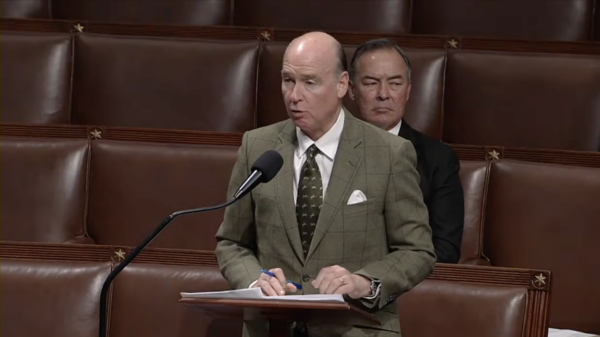
House Pro Tem Chris Pringle, R-Mobile, introduced House Bill 1 on Monday, establishing a contingency framework that would allow Governor Kay Ivey to call a special replacement congressional primary election if court action permits.
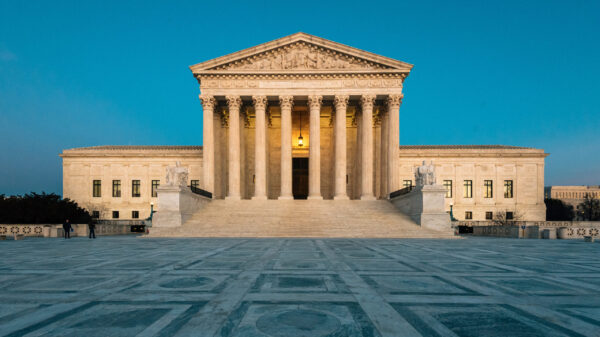
House Bill 1 would not delay the May 19 U.S. House primary. But it would provide a contingency plan if the U.S. Supreme Court or a lower court applies the Callais ruling to Alabama’s ongoing redistricting case before applicable federal election deadlines. If the courts grant that relief, the results of the May 19 congressional primary would be vacated, and the governor would call a special replacement primary election.
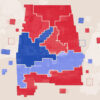
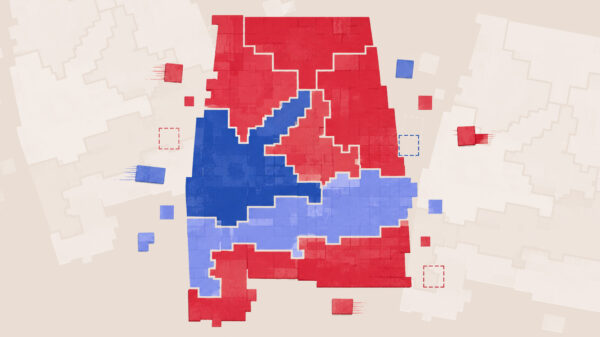
That special primary would restore Alabama’s congressional districts to those enacted by Act 2023-563, known as the Livingston 3 Map, putting all seven of Alabama’s congressional districts in play for Republican candidates. The replacement primary would be decided by plurality, with no runoff election, because of the tight federal deadlines surrounding the state’s redistricting case.
A federal court currently has enjoined that map, saying Alabama lawmakers drew the lines to dilute the power of Black voters.
“Alabama is under a court order that blocks the Legislature from redrawing congressional maps until 2030. The Callais ruling gives us a path forward, and HB1 ensures we are ready the moment the courts provide that opening,” Pringle said.
With control of the U.S. House of Representatives potentially hinging on a handful of seats, states across the nation have been trying to redraw maps in a back-and-forth over the political calculus as the midterms approach.
The Alabama House Republican Caucus has made clear that securing all seven congressional districts for Republican candidates is a priority, which it believes the Callais ruling now makes possible.
“I am committed to ensuring that every Alabamian has fair representation in Congress,” Pringle said. “Control of the U.S. House of Representatives could come down to a handful of seats. HB1 ensures that should the courts provide the relief Alabama is entitled to, we are ready to act without delay.”
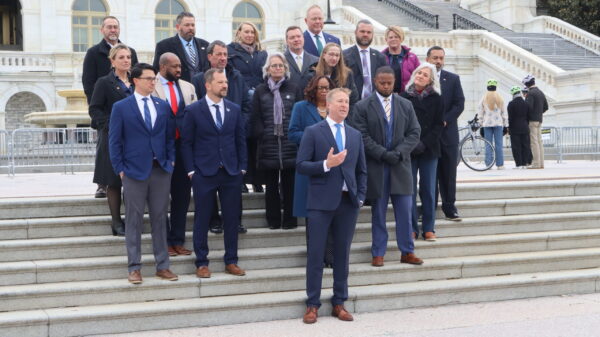
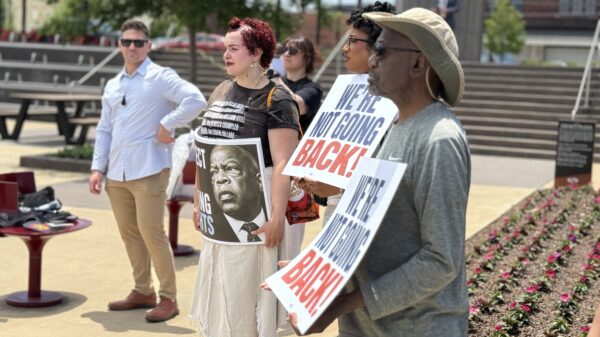
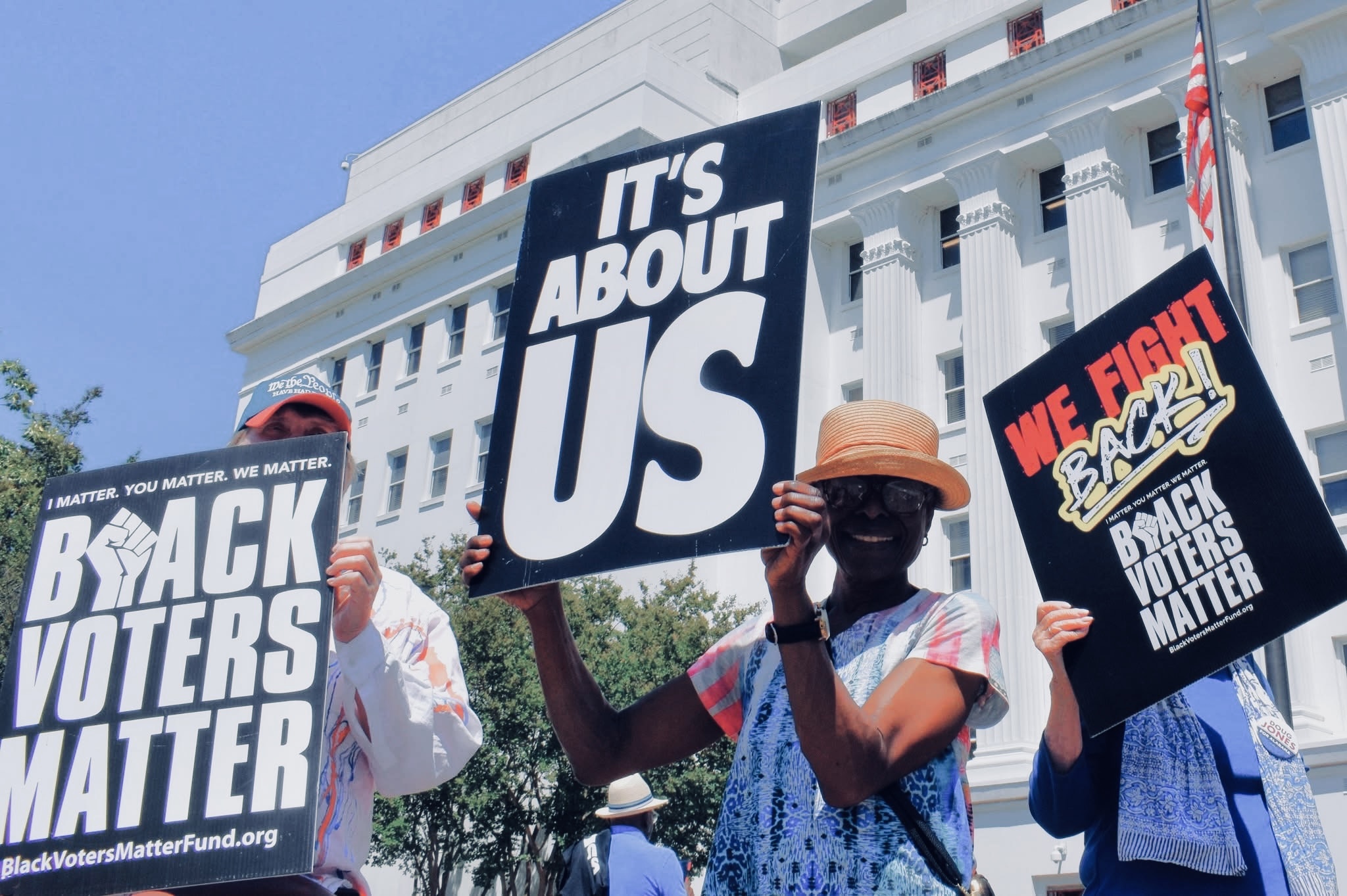
While lawmakers met inside the statehouse, protesters rallied outside against an effort to return to old maps that courts have declared racially discriminatory.
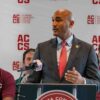
“Alabama’s Constitution prohibits mid-decade redistricting. The lines were drawn. Elections are already underway. And yet, we are seeing an effort to change those lines midway through the process,” said JaTaune Bosby Gilchrist, executive director of the ACLU of Alabama. “That is not lawful. And it is not how democracy is supposed to function.
“This is about, once again, the Legislature attempting to silence the voices of Black Alabamians. We have seen this pattern before. When Black communities build power, there is an effort to redraw the lines, dilute that power, and ensure it does not endure. This is what white supremacy looks like in practice—not always loud, not always explicit, but embedded in decisions that consistently diminish the political power of the historically marginalized and subjugated.”
Protests will continue Tuesday morning, and both House and Senate versions of the bill will be considered in committee with public hearings.